
In this guide
Use a year-round routine for leak checks, alarms, drainage, appliances, and seasonal fire preparation. Schedule repairs when you find a problem, and use the quarterly checklist to keep routine maintenance from being missed.
Keep it handy
A free printable for this guide
Save a copy for your fridge or binder. No email needed.
Home maintenance checklist
An easy monthly and seasonal routine for spotting leaks and reducing fire hazards.
Read the checklist online
Use one sheet per year. This is a suggested routine; follow equipment instructions and arrange qualified help as needed.
Keep inspections at a safe, accessible level. Leave roof work, electrical repairs and hidden leaks to qualified professionals.
Monthly
- Test smoke alarms. Follow the manufacturer's instructions for carbon monoxide alarms.
- Look under sinks and around toilets, appliances and accessible pipes for drips, stains or dampness.
- Check for new ceiling stains, bubbling paint or musty smells and record what changed.
Before the rainy season
- Arrange a roof and gutter check; check ground-level drainage routes.
- Review your household contacts, emergency supplies and water shutoff location.
- Photograph important belongings and back up your inventory.
Ongoing / as needed
- Clean the dryer lint filter after each use; arrange vent cleaning when needed.
- Replace damaged cords; keep combustible items away from heat sources.
- Fix leaks promptly and follow up on the source of recurring moisture.
Space to fill in
- Year / household
- Next inspection date
- Repair needed / responsible person
Reference guidance
Make it your own
Stay a step ahead
Home maintenance calendar
Choose your home and its features for a seasonal schedule you can print or add to your calendar.
Build your calendarA useful maintenance plan combines small recurring checks with seasonal professional work. The schedule below is a starting point for homes in LA and Orange County. Adapt it to your property's roof, equipment, landscaping, manufacturer's instructions, and lease or HOA responsibilities. Repairs to an active leak or a safety problem should not wait for the next quarter.
Checks to keep on the calendar all year
- Each month: look for moisture beneath accessible sinks, around toilets, and beside appliances. Compare your water use with your normal pattern and investigate unexpected changes.
- Each month: test smoke alarms. Check their age and follow the manufacturer's replacement instructions. The U.S. Fire Administration recommends monthly testing and replacement of smoke alarms at 10 years. Follow the separate instructions for carbon monoxide alarms.
- Each dryer load: clean the lint filter. Have a restricted or damaged exhaust duct addressed and do not operate a dryer with a missing filter. See USFA dryer fire-safety guidance.
- After significant rain or wind: look from safe ground-level locations for new leaks, displaced materials, or blocked drainage. Record changes and arrange repairs.
Q1: January through March
Track winter leaks and check plumbing
Walk through safely accessible rooms after rain. Check ceilings, window surrounds, baseboards, and any area that leaked previously. Photograph changes and note the date. Arrange a roof or exterior-wall assessment for recurring stains rather than repeatedly repainting.
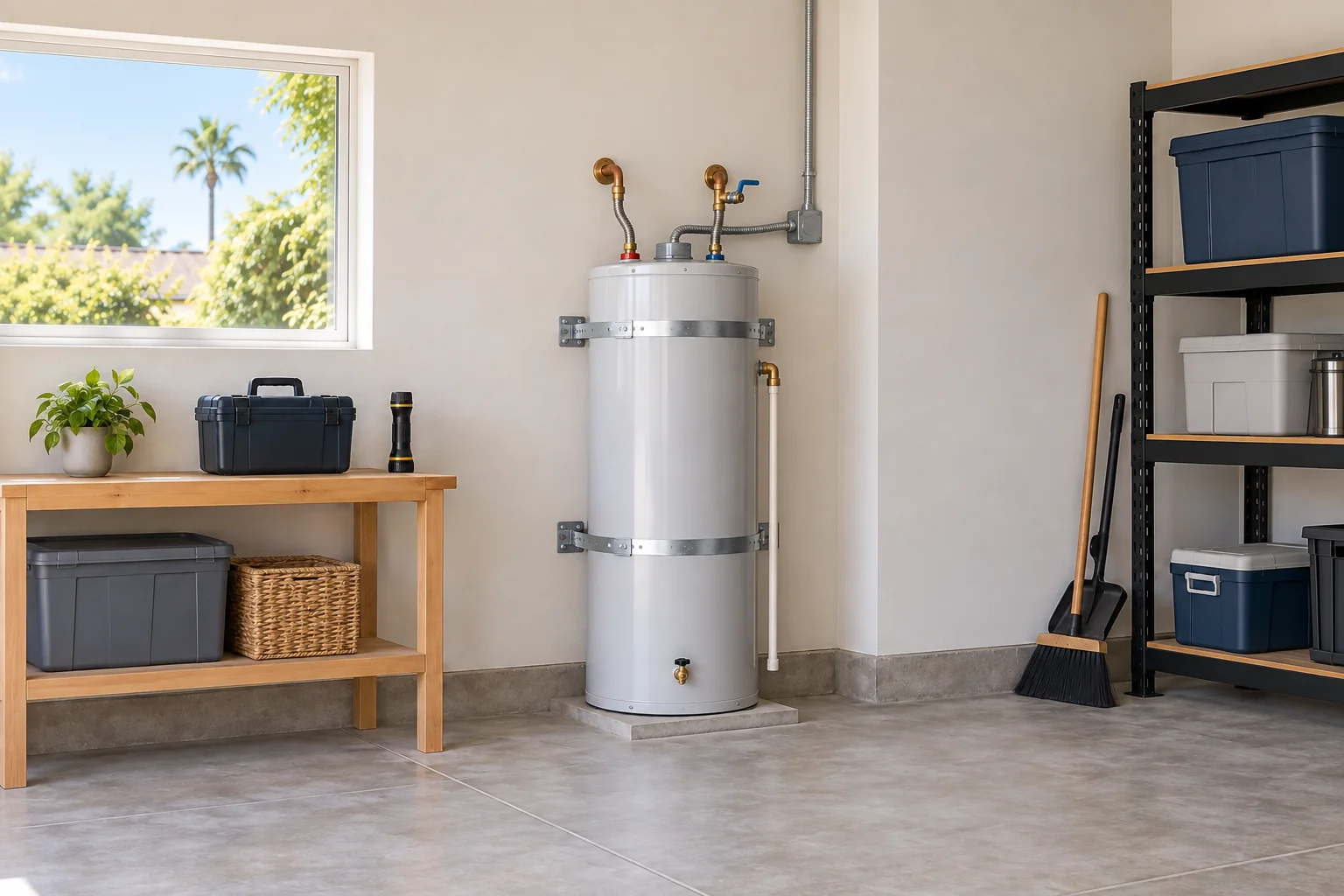
Check visible plumbing connections, appliance hoses, and the area around the water heater for dampness or deterioration. Learn where the household water shutoff is and ask a plumber about any valve that is seized, leaking, or unfamiliar. Do not force a stuck valve. EPA WaterSense's home maintenance guidance provides checks for toilets, fixtures, irrigation, and other water-using systems.
Q2: April through June
Prepare cooling equipment and the area around the home
Schedule cooling-system maintenance according to the equipment instructions. Ask the technician to check condensate drainage, the collection pan, and accessible signs of leakage. Keep a record of the service date and any follow-up work.
Review vegetation and stored materials around the home before hot, dry weather. Remove dead material and keep roofs and gutters free of debris. Use CAL FIRE's defensible-space guidance and your local fire department's requirements for the appropriate work near buildings and farther out. Spacing depends on the site and vegetation; avoid applying a single pruning height to every tree or slope.
Q3: July through September
Use dry weather to finish repairs
Book repairs to roofing, flashing, exterior joints, and drainage while access conditions allow. Ask the contractor to explain the cause of a recurring leak and how the repair addresses it. Check whether permits or HOA approval are needed for the proposed work.
Review irrigation for damaged heads, leaks, and spray directed onto walls. Adjust its schedule to local restrictions and plant needs. Recheck under-sink cabinets and rooms near cooling equipment, especially after a period of heavy use.
Update your household contacts and evacuation arrangements. Confirm that someone can help residents with transportation or access needs, and include pets. Use the emergency planner to print a current fridge sheet.
Q4: October through December
Get ready for winter rain and indoor heating
Arrange safe gutter and roof-drain cleaning before forecast storms. Check accessible surface drains and report public-drain blockages. Review your storm supplies and move vulnerable records out of low storage areas. Use the atmospheric-river preparation guide for the before, during, and after steps.
Before using heating equipment, follow its maintenance instructions and have concerns assessed by a qualified technician. Keep portable heaters away from combustible materials and plug them directly into a wall outlet. Do not use an extension cord or power strip for them, as explained in USFA's heating fire-safety guidance.
Keep one record you can actually use
For each task, record who is responsible, the due date, what was found, and whether repair is complete. Renters should report moisture and maintenance problems to the property manager; condo owners should confirm who maintains shared roofs, pipes, and drains. Our home maintenance calendar creates a property-specific printable schedule and calendar reminders. If damage appears, use the damage organizer to keep room photos, notes, and repair records together.
How we prepare and update our guides
Related serviceAdditional ServicesBoard-up, cleaning & specialty workAbout Save The Day Restoration
Save The Day Restoration is a locally owned, IICRC-certified restoration and reconstruction company serving all of Los Angeles and Orange County. The team coordinates water, fire, and mold restoration and reconstruction, including specialist work when needed. Licensed (CSLB #1049188), bonded, and insured, with 24/7 emergency response.
Call (562) 246-9908