In this guide
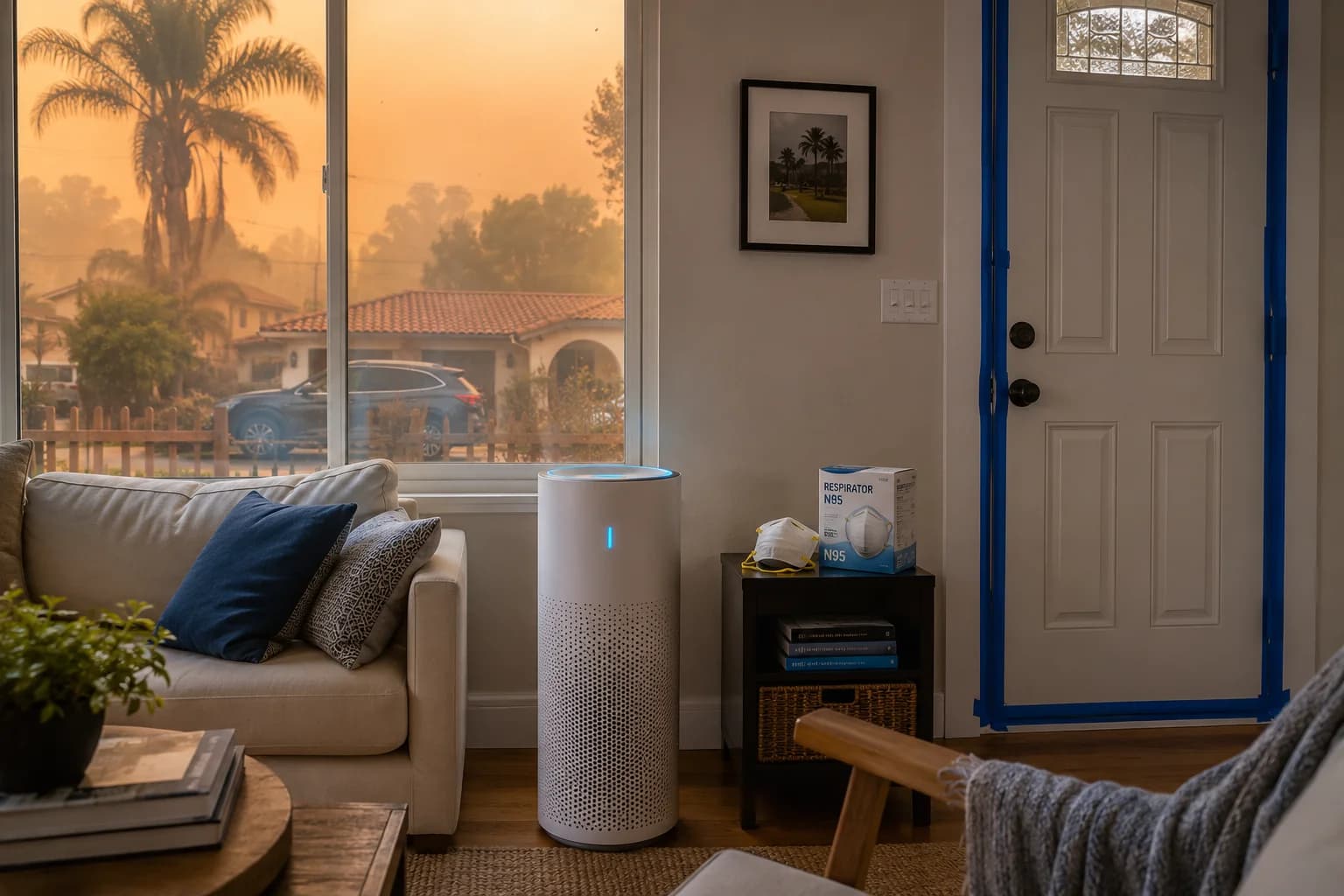
Protecting a home during wildfire smoke starts with official alerts and steps to reduce indoor exposure. After the danger passes, assess residue, odors, and affected materials before planning cleanup.
Keep it handy
A free printable for this guide
Save a copy for your fridge or binder. No email needed.
After fire or smoke damage
Keep track of safe access, immediate contacts and the first recovery decisions.
Read the checklist online
Use after everyone is safely away from the fire. Recovery starts with safe access.
A fire being out does not mean a building is safe. Re-enter only when fire officials say it is safe.
1 / Arrange the essentials
- Follow fire officials' access instructions and record whom to contact for updates.
- Arrange a safe place for people and pets to stay. Keep essential medication and daily needs in mind.
- Tell your insurer what happened and ask how to document temporary living expenses.
2 / Protect the recovery
- Ask the restoration team about securing openings and assessing soot, smoke and firefighting water.
- Do not turn utilities back on yourself. Ask officials or the utility who must inspect them.
- Avoid disturbing soot or using affected equipment until a qualified professional advises you.
3 / Keep a record
- Photograph damage only from safe, permitted areas; list rooms you could not access.
- Keep receipts, contact names and a written record of the next agreed action.
Space to fill in
- Fire department / incident number
- Safe access instructions
- Temporary accommodation
- Insurer / restoration contact
Reference guidance
Make it your own
Keep the details together
Damage documentation organizer
Record what happened, follow room-by-room photo prompts and export notes and photos in one organized record.
Start your damage recordQuick Answer: Wildfire smoke can damage homes 20-50 miles from active fires, infiltrating through HVAC systems, window gaps, and attic vents. Protect your LA or Orange County home by sealing entry points, upgrading to MERV 13+ air filters, creating a clean air room with HEPA purifiers, and setting HVAC to recirculate mode during smoke events. If smoke exposure lasts more than 3 days, professional remediation is recommended. Call Save The Day Restoration at (562) 246-9908.
How Does Wildfire Smoke Damage Homes in Southern California?
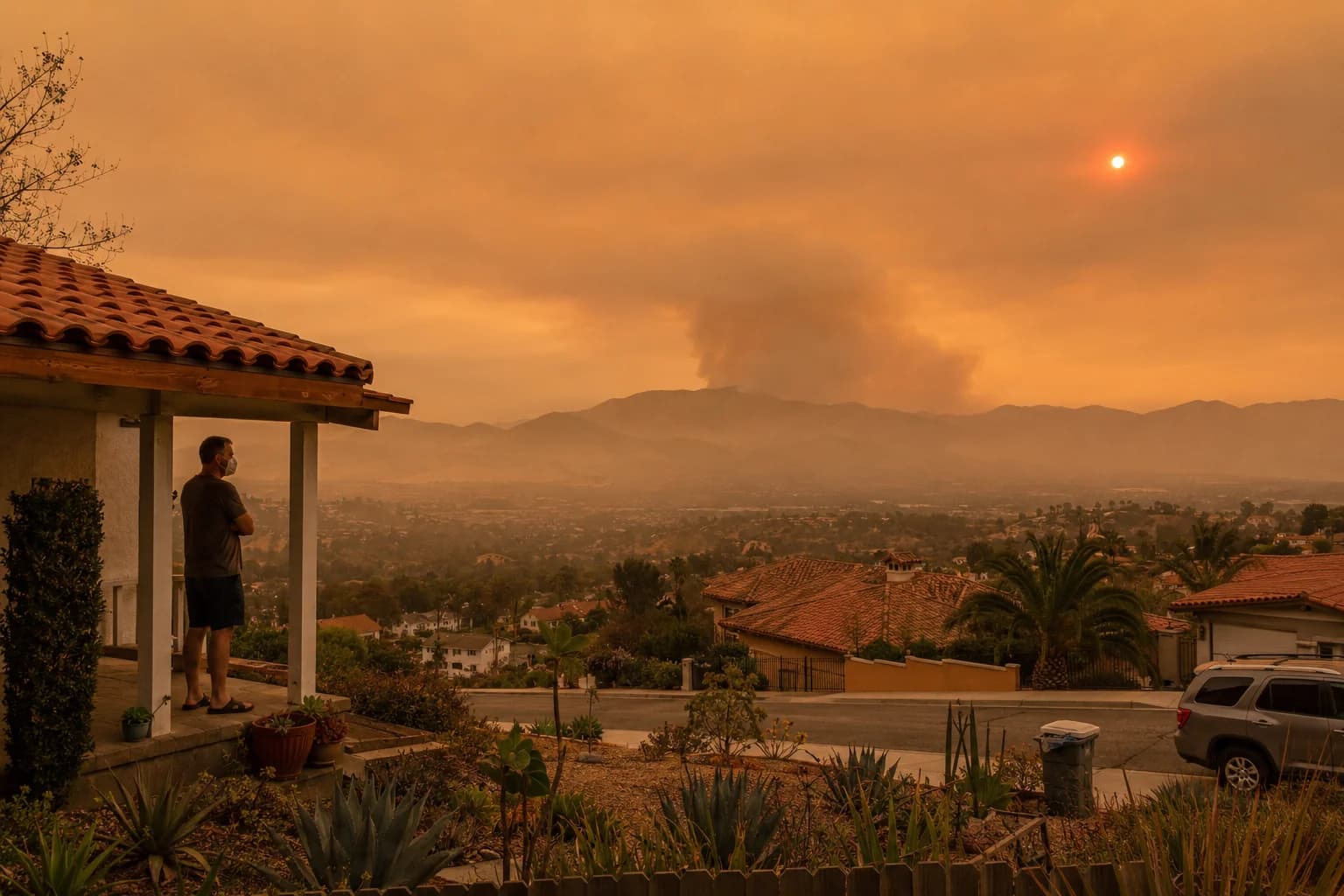
Wildfire season in Southern California brings more than just fire risk—it creates widespread smoke damage affecting thousands of homes across Los Angeles and Orange County, even those miles away from active fires. Unlike direct fire damage, wildfire smoke can infiltrate homes without warning, leaving persistent odors, health hazards, and property damage that many homeowners don't realize requires professional restoration.
The 2024 California wildfire season exposed over 2 million LA and Orange County residents to hazardous smoke conditions. Homes in Pasadena, Glendale, Irvine, and throughout both counties experienced smoke infiltration requiring professional remediation—even when fires burned 20-30 miles away.
At Save The Day Restoration, we've helped hundreds of Los Angeles and Orange County homeowners address wildfire smoke damage. This guide explains how wildfire smoke affects your property, the unique challenges it creates, and proven protection strategies.
How Is Wildfire Smoke Different From House Fire Smoke?
How Long Does Wildfire Smoke Exposure Last?
Wildfires can burn for days or weeks, creating continuous smoke exposure. Los Angeles and Orange County homes may be exposed to smoke for 5-15 days during major fire events, versus minutes or hours during a house fire.
How Far Can Wildfire Smoke Travel?
Wildfire smoke can travel 50-100 miles from the fire source. Santa Ana winds regularly carry smoke from fires in Ventura County to Orange County, or from San Bernardino County fires throughout LA County.
What Chemicals Are in Wildfire Smoke?
Wildfire smoke contains burned vegetation and natural materials, destroyed structures (when fires reach developments), vehicles and infrastructure, and chemicals from burned homes and businesses.
How Does Wildfire Smoke Get Inside Your Home?
Unlike house fires where smoke fills the interior suddenly, wildfire smoke seeps in gradually through HVAC systems drawing outside air, window and door gaps, attic vents and crawl space openings, chimney flues, and electrical and plumbing penetrations.
What Are the Health Risks of Wildfire Smoke in Your Home?
Wildfire smoke trapped indoors creates serious health hazards:
- Particulate Matter (PM2.5): Microscopic particles that penetrate deep into lungs
- Carbon Monoxide: Colorless, odorless toxic gas
- Volatile Organic Compounds (VOCs): From burned synthetic materials
- Formaldehyde: Carcinogenic compound released during combustion
Populations at highest risk include children and infants, elderly residents, people with asthma or respiratory conditions, pregnant women, and anyone with heart disease.
What Are the Signs Your Home Has Wildfire Smoke Damage?
Immediate Signs
- Visible haze or cloudiness in rooms
- Smoky smell in carpets, furniture, or clothing
- Gray or brown film on windows and surfaces
- Eye, nose, or throat irritation when indoors
- Worsening of asthma or allergies
Delayed Signs (Days or Weeks Later)
- Persistent musty or burnt smell
- Discoloration on walls or ceilings
- HVAC filters turn black or brown quickly
- Fabrics retain smoky odor even after washing
- Electronics malfunction from particulate contamination
How Can You Protect Your Home During Wildfire Season?
What Should You Do Before Smoke Arrives?
1. Seal Your Home: Weatherstrip all doors and windows, seal attic and crawl space vents with temporary covers, close fireplace dampers completely, seal electrical outlet covers, and use door draft stoppers.
2. Upgrade Your HVAC System: Install MERV 13 or higher filters (MERV 16 for maximum protection), consider adding a whole-home air purification system, have ducts professionally sealed, and ensure the system is properly maintained.
3. Create a Clean Air Room: Designate one room (preferably bedroom) as clean air space, add portable HEPA air purifiers, seal windows with plastic sheeting if needed, and keep the door closed except for entry and exit.
What Should You Do When Smoke Is Present?
Immediate Actions: Set HVAC to recirculate mode (don't draw outside air), close all windows and exterior doors, run HEPA air purifiers continuously, place wet towels at door gaps, and monitor indoor air quality with a PM2.5 monitor.
What NOT To Do: Don't run window AC units that draw outside air, don't use ceiling or window fans, don't open windows "to air out" the house, don't vacuum (stirs up settled particles), and don't run HVAC without proper filtration.
What Does Professional Wildfire Smoke Remediation Include?
Even after outdoor air quality improves, smoke particles remain trapped in your home. Here's our professional remediation process:
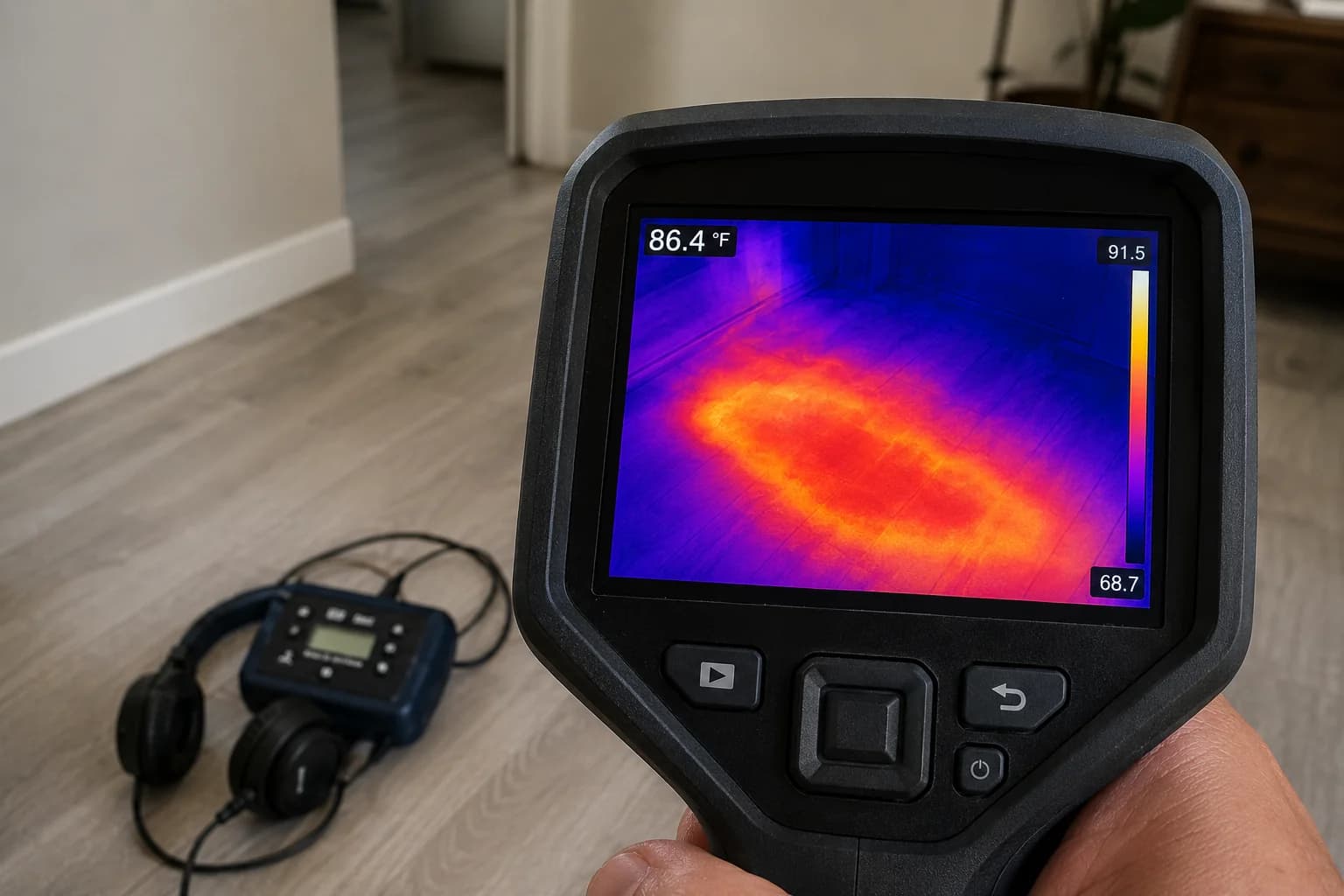
Phase 1 — Air Quality Assessment: PM2.5 testing throughout the home, VOC measurement, HVAC system contamination evaluation, and surface particulate testing.
Phase 2 — Source Removal: HEPA vacuuming of all surfaces, furniture, and carpets, complete HVAC duct cleaning, filter replacement with high-MERV filters, and removal of heavily contaminated porous materials if necessary.
Phase 3 — Deep Cleaning: Specialized cleaning of walls and ceilings, professional carpet and upholstery cleaning, hard surface decontamination, and window and blinds cleaning.
Phase 4 — Air Treatment: Hydroxyl generator deployment (safe for occupied spaces), industrial HEPA air scrubbing, thermal fogging if odors persist, and continuous air quality monitoring.
Phase 5 — Prevention Measures: HVAC system upgrades and sealing, air filtration system installation, home sealing improvements, and future protection recommendations.
When Can You Handle Wildfire Smoke Cleanup Yourself?
For minor smoke exposure (1-2 days of light smoke), you may attempt initial cleanup. Wait until outdoor AQI is below 100 before opening windows. Open all windows and doors for cross-ventilation (2-3 hours). Change all HVAC filters immediately. HEPA vacuum all surfaces thoroughly. Wipe hard surfaces with damp microfiber cloths. Wash all fabrics, bedding, and curtains. Run air purifiers continuously for 1-2 weeks.
When To Call Professionals: Smoke exposure lasted more than 3 days, heavy smoke visible inside home, persistent odors after initial cleaning, health symptoms continue indoors, visible discoloration on walls or ceilings, or HVAC system shows heavy contamination.
Does Insurance Cover Wildfire Smoke Damage?
Most Los Angeles and Orange County homeowners don't realize smoke damage may be covered. Standard homeowner policies may cover smoke damage even if your property didn't burn, though coverage usually requires "direct physical loss" and varies by carrier and policy.
What's Typically Covered: Professional smoke remediation, HVAC cleaning and filter replacement, carpet and upholstery cleaning, damaged personal property, and temporary housing if home is uninhabitable.
Documentation Requirements: Photos of smoke conditions, air quality readings if available, professional assessment report, detailed inventory of affected items, and professional cleaning receipts.
Save The Day Restoration works directly with insurance companies to maximize your wildfire smoke damage claim.
What Long-Term Protection Strategies Should You Implement?
Permanent Home Improvements: Whole-home HEPA filtration system, ERV (Energy Recovery Ventilator) with MERV 16 filters, comprehensive air sealing, attic and crawl space ventilation improvements, and window upgrades with better sealing.
Seasonal Preparation: Stock MERV 13-16 filters before fire season, purchase portable HEPA purifiers, create emergency sealing supplies kit, establish clean air room protocols, and install a PM2.5 air quality monitor.
FAQ: Wildfire Smoke Damage in LA and Orange County
Q: Can wildfire smoke damage my home if the fire is miles away?
A: Yes. Wildfire smoke regularly travels 50-100 miles and can infiltrate homes through HVAC systems, window gaps, and attic vents. Homes 20-30 miles from active fires in LA and Orange County frequently require professional smoke remediation.
Q: How do I know if wildfire smoke got inside my house?
A: Check for visible haze indoors, smoky smell on fabrics and carpets, gray or brown film on windows, rapid darkening of HVAC filters, and worsening respiratory symptoms. A professional air quality test can confirm PM2.5 contamination levels.
Q: What MERV rating filter should I use during wildfire season?
A: MERV 13 is the minimum recommended rating for wildfire smoke protection. MERV 16 provides maximum filtration. Ensure your HVAC system can handle the higher-rated filter without restricted airflow before upgrading.
Q: Should I open windows to air out wildfire smoke?
A: Only after outdoor AQI drops below 100. During active smoke events, keep all windows and doors closed and run your HVAC on recirculate mode with MERV 13+ filters. Opening windows during poor air quality will make indoor contamination worse.
Q: Does homeowner's insurance cover wildfire smoke damage?
A: Many policies cover smoke damage even if your property didn't burn, though coverage requires documentation of "direct physical loss." Professional air quality testing and detailed damage assessments strengthen your claim significantly.
Q: How much does professional wildfire smoke remediation cost?
A: Costs range from $1,000-$3,000 for light smoke exposure affecting a few rooms to $5,000-$15,000+ for heavy smoke infiltration requiring full HVAC decontamination and whole-home treatment. Most costs are covered by insurance.
Why Choose Save The Day Restoration for Wildfire Smoke Damage?
Save The Day Restoration specializes in wildfire smoke damage throughout Los Angeles and Orange County:
- Experienced with California wildfire smoke patterns
- Advanced air quality testing equipment
- Complete HVAC decontamination capabilities
- Safe hydroxyl generator technology
- Insurance claim assistance
- 24/7 emergency response (1-4 hour response times)
- Serving all of LA and Orange County
- Licensed contractor (#1049188)
Don't wait for the next wildfire season. Call Save The Day Restoration at (562) 246-9908 for professional wildfire smoke assessment and protection planning.
How we prepare and update our guides
Related serviceFire Damage RestorationFire, smoke & soot cleanupAbout Save The Day Restoration
Save The Day Restoration is a locally owned, IICRC-certified restoration and reconstruction company serving all of Los Angeles and Orange County. The team coordinates water, fire, and mold restoration and reconstruction, including specialist work when needed. Licensed (CSLB #1049188), bonded, and insured, with 24/7 emergency response.
Call (562) 246-9908