
Sewage Cleanup & Restoration
Sewage cleanup and restoration is a specialized emergency service that removes contaminated water, disinfects affected areas, disposes of damaged materials, and restores properties following sewage backups, toilet overflows, or sewer line failures using professional-grade equipment and biohazard safety protocols.
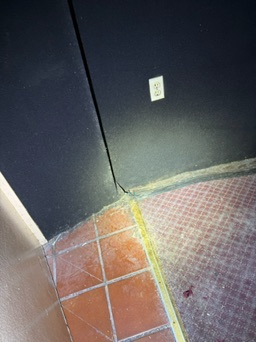
Emergency Sewage Cleanup & Restoration Services in Southern California
Quick Answer: Sewage backups are Category 3 water emergencies requiring immediate professional cleanup. Sewage contains dangerous bacteria, viruses, and parasites causing serious illness. Never attempt DIY sewage cleanup. Professional sewage restoration includes water extraction, contaminated material removal, antimicrobial treatment, complete sanitization, and odor elimination. Available 24/7. Call Save The Day Restoration: (562) 246-9908.
What Is Sewage Backup and Why Is It Dangerous?
Sewage backup occurs when wastewater containing human waste flows backward into your home through drains, toilets, or floor drains. This is classified as Category 3 water damage—the most hazardous type.
Health Hazards in Sewage:
• E. coli: Causes severe gastrointestinal illness, kidney failure
• Salmonella: Food poisoning, fever, diarrhea, abdominal cramps
• Hepatitis A: Liver infection, jaundice, fatigue
• Norovirus: Severe vomiting, diarrhea, dehydration
• Parasites: Giardia, cryptosporidium causing intestinal disease
• Fungi & Mold: Respiratory illness, allergic reactions
• Chemical Contaminants: Household cleaners, medications, industrial waste
Exposure Risks:
• Direct contact with sewage water
• Breathing contaminated air and vapors
• Contact with contaminated surfaces
• Ingestion through hand-to-mouth contact
• Open wounds exposed to sewage
Vulnerable Populations: Children, elderly, pregnant women, and immune-compromised individuals face extreme risk from sewage exposure.
What Causes Sewage Backups in Southern California?
Clogged Sewer Lines:
• Tree roots infiltrating sewer pipes
• Flushing inappropriate items (wipes, feminine products)
• Grease buildup in drain lines
• Foreign objects blocking pipes
• Aging, deteriorating sewer lines
Municipal Sewer Issues:
• City sewer main blockages
• Heavy rainfall overwhelming sewer systems
• Sewer line breaks or failures
• Inadequate sewer capacity
• Pump station failures
Septic System Problems:
• Septic tank full requiring pumping
• Drainfield failure
• System overload from excessive water use
• Damaged septic components
Plumbing Failures:
• Broken or cracked sewer pipes
• Improperly installed plumbing
• Pipe corrosion in older homes
• Foundation shifts damaging pipes
Why Can't I Clean Up Sewage Myself?
NEVER attempt DIY sewage cleanup. This is a dangerous biohazard requiring professional equipment, training, and protocols.
Health & Safety Risks:
• Exposure to deadly pathogens without proper PPE
• Cross-contamination spreading bacteria
• Inadequate disinfection leaving harmful organisms
• Respiratory exposure to airborne contaminants
• Long-term health consequences from exposure
Ineffective Cleaning:
• Household cleaners cannot kill sewage pathogens
• Consumer equipment cannot extract contaminated water
• Hidden contamination in walls, subfloors remains
• Odors return without proper treatment
• Mold growth develops from incomplete drying
Legal & Insurance Issues:
• Improper disposal of sewage waste is illegal
• Insurance may require professional certification
• Liability for illnesses from inadequate cleanup
• Property disclosure requirements if not properly remediated
What Is the Professional Sewage Cleanup Process?
Phase 1: Emergency Response (0-2 Hours)
24/7 emergency dispatch. Safety assessment before entry. Identification of sewage source. Shut off water if needed. Evacuate occupants from contaminated areas.
Phase 2: Personal Protection (Immediate)
Technicians don full biohazard PPE: respirators with P100 filters, disposable coveralls, waterproof boots, nitrile gloves (double-gloved), face shields, head coverings. NO ENTRY without complete protection.
Phase 3: Containment (1-2 Hours)
Seal off contaminated area with plastic sheeting. Install negative air pressure with HEPA filtration. Prevent cross-contamination to clean areas. Set up decontamination chambers. Control air quality.
Phase 4: Sewage Extraction (2-4 Hours)
Use truck-mounted extraction systems (not shop vacs). Remove all standing sewage water. Extract water from carpets and porous materials. Pump out from basements or crawl spaces. Proper disposal of contaminated water.
Phase 5: Contaminated Material Removal (3-6 Hours)
Remove and dispose of: sewage-soaked carpeting and padding, contaminated drywall (at least 12" above water line), affected insulation, porous materials impossible to disinfect, damaged personal belongings. All disposed of as biohazardous waste.
Phase 6: Cleaning & Disinfection (4-8 Hours)
HEPA vacuum all surfaces to remove particles. Clean all surfaces with EPA-registered disinfectants. Apply antimicrobial treatments to affected areas. Treat all hard surfaces, walls, floors. Multiple applications for thorough disinfection. Allow proper dwell time for products to work.
Phase 7: Drying & Dehumidification (3-7 Days)
Industrial air movers create rapid airflow. Commercial dehumidifiers remove moisture. Specialized drying for structural materials. Daily moisture monitoring. Achieve complete dryness before reconstruction. Prevent mold growth from residual moisture.
Phase 8: Odor Removal (1-2 Days)
Hydroxyl generators destroy odor molecules. Thermal fogging penetrates porous materials. Air scrubbers with activated carbon filters. Ozone treatment if structure is empty. Complete odor elimination, not masking.
Phase 9: Final Sanitization & Testing (1 Day)
Final antimicrobial application to all surfaces. ATP testing to verify cleanliness. Air quality testing if requested. Environmental clearance documentation. Safe for reoccupancy certification.
Phase 10: Reconstruction (1-3 Weeks)
Replace removed drywall and insulation. Install new flooring materials. Repaint affected areas. Restore property to pre-loss condition. Final walkthrough and approval.
How Quickly Must Sewage Be Cleaned Up?
IMMEDIATE response is critical.
First 24 Hours:
• Bacteria multiply exponentially in sewage
• Contamination spreads to unaffected areas
• Porous materials absorb sewage deeper
• Odors penetrate materials permanently
• Health risk increases dramatically
24-48 Hours:
• Mold begins growing on wet surfaces
• Structural materials begin deteriorating
• Contamination may reach HVAC system
• Restoration costs increase significantly
After 48 Hours:
• Extensive mold growth established
• Permanent damage to structural materials
• Complete reconstruction often required
• Odors nearly impossible to remove
Bottom Line: Call professional sewage cleanup within 1-2 hours of backup. Every minute of delay increases health risk, damage severity, and restoration costs.
How Much Does Sewage Cleanup Cost in Southern California?
Emergency Response & Extraction:
• Small backup (one bathroom): $3,000-$7,000
• Medium backup (multiple rooms): $7,000-$15,000
• Large backup (basement/crawl space): $15,000-$30,000
• Severe backup (whole house): $30,000-$75,000+
Cost Factors:
• Amount of sewage and affected area
• Category 3 water requires more intensive protocols
• Material removal and disposal costs
• Extent of contamination
• Required reconstruction
• Specialized equipment and labor
Insurance Coverage:
Sewage backup coverage is typically an ADD-ON endorsement to homeowner policies, not automatically included. Standard policies often EXCLUDE sewer backups. Check your policy for "sewer backup" or "water backup" coverage. This coverage typically costs $40-$100/year additional premium.
If You Have Coverage: Most policies cover cleanup, material removal, and restoration minus your deductible. Keep all receipts and documentation.
If You Don't Have Coverage: You are responsible for all costs. This is why sewage backup coverage is highly recommended, especially in older neighborhoods or areas with aging sewer infrastructure.
How Can I Prevent Sewage Backups?
Regular Maintenance:
• Annual sewer line camera inspection
• Professional drain cleaning every 18-24 months
• Septic tank pumping every 3-5 years
• Tree root treatment if trees near sewer lines
Proper Usage:
• Never flush wipes (even "flushable" ones)
• No feminine products down toilet
• No grease down kitchen drains
• Use drain screens to catch debris
• Don't overload garbage disposal
Install Preventive Devices:
• Backwater valve on main sewer line ($1,000-$2,000)
• Automatically prevents sewage backflow
• Floor drain plugs in basement
• Sump pump with battery backup
Warning Signs to Watch:
• Multiple drains backing up simultaneously
• Gurgling sounds from drains or toilets
• Water backing up in tub when flushing toilet
• Sewage smell from drains
• Slow drains throughout house
What Should I Do If I Have a Sewage Backup?
Immediate Actions:
1. Evacuate the area immediately
2. Keep children and pets away
3. Turn off electricity to affected areas (if safe)
4. Do NOT touch sewage or contaminated items
5. Call Save The Day Restoration: (562) 246-9908
6. Call your insurance company
7. Do NOT use water or flush toilets if backup continues
8. Open windows for ventilation if weather permits
9. Document damage with photos (from safe distance)
10. Wait for professionals—do not attempt cleanup
Why Choose Save The Day Restoration for Sewage Cleanup?
Biohazard Certified:
• Trained in bloodborne pathogen/biohazard protocols
• IICRC Water Damage Restoration Certification
• Proper PPE and safety equipment
• EPA-registered antimicrobial products
• Licensed contractor #1049188
24/7 Emergency Response:
• Available 24 hours a day, 365 days a year
• 2-4 hour response time guaranteed
• Immediate containment and extraction
• No delays—sewage emergencies can't wait
Complete Service:
• Sewage extraction and disposal
• Contaminated material removal
• Professional disinfection and sanitization
• Complete drying and dehumidification
• Odor elimination
• Full reconstruction services
• One company from emergency to completion
Insurance Expertise:
• Work with all insurance companies
• Complete documentation for claims
• Direct billing available
• Help navigate coverage issues
• 15+ years insurance experience
Sewage backups and sewer line failures are most common in neighborhoods with aging municipal infrastructure. Long Beach and Alhambra have some of the oldest sewer systems in the region, and homeowners there regularly experience backups during heavy rain events when stormwater overwhelms combined sewer lines. Whittier and Downey properties with mature tree canopies face root intrusion into lateral sewer lines, causing blockages that result in Category 3 water damage. We respond to frequent sewage emergencies in Fullerton, Norwalk, Compton, and Lakewood, where properties built in the 1950s and 1960s often have deteriorating cast-iron drain lines that crack and leak beneath foundations.
About Save The Day Restoration
Save The Day Restoration provides 24/7 emergency sewage cleanup and restoration services throughout Southern California. Our IICRC-certified technicians use professional biohazard protocols to safely remove contaminated water, disinfect affected areas, eliminate odors, and restore your property to a safe, healthy condition. Licensed, bonded, and insured (#1049188). Call (562) 246-9908 for immediate response.
Our Sewage Cleanup & Restoration Process
01
24/7 Emergency Response & Safety Assessment
Our emergency crew arrives prepared with full biohazard equipment. We assess the contamination extent and establish safety zones to protect building occupants.
02
Full Biohazard PPE Protection
Technicians wear Level A or B PPE including respirators, chemical-resistant suits, and boot covers. Sewage is a Category 3 biohazard requiring the highest protection standards.
03
Contaminated Area Containment
Physical barriers and negative air pressure prevent contaminated air and particles from spreading to unaffected areas of your property during cleanup operations.
04
Complete Sewage Water Extraction
Commercial extraction equipment removes all sewage water, solids, and contaminated standing water. We extract from every affected surface, cavity, and below-grade area.
05
Contaminated Material Removal & Disposal
All porous materials contacted by sewage are removed and disposed of per health regulations. This includes carpet, padding, drywall, insulation, and any absorbent materials.
06
EPA-Registered Disinfection & Antimicrobial Treatment
EPA-registered antimicrobial agents are applied to all remaining structural surfaces. Multiple applications ensure complete pathogen elimination on framing, subfloor, and concrete.
07
Professional Drying & Dehumidification
Industrial drying equipment removes residual moisture from the structure. Dehumidifiers and air movers prevent secondary mold growth in the warm, organic-rich environment.
08
Complete Odor Elimination & Reconstruction
Enzyme treatments and advanced deodorization eliminate sewage odors completely. We then reconstruct all removed materials to restore your property to pre-loss condition.
What we handle
Specialized services for your specific damage

Vandalism Restoration
Property restoration after vandalism including graffiti removal, broken glass replacement, and structural repair

Sewage Cleanup & Restoration
Emergency sewage backup cleanup and sanitization with professional biohazard protocols

Professional Equipment Rental
Rent professional-grade restoration and cleaning equipment for DIY projects

Odor Removal Services
Professional odor elimination for smoke, pet, mold, chemical, and biological odors using commercial-grade technology

Emergency Board-Up & Tarping Services
24/7 emergency board-up and roof tarping to secure your property after damage

Disaster Response Services
Large-scale disaster response for earthquakes, wildfires, floods, and major weather events across Southern California
We work with all major insurance carriers






CITIES WHERE THIS SERVICE IS AVAILABLE
Same certified technicians, same fast response — wherever you are in LA or Orange County. Select your city to see local details and schedule service.


WHERE WE OFFER THIS SERVICE
24/7 emergency response across Los Angeles and Orange County. Click your city for local service details and response times.
Common Questions
Common questions about this service
YES. Sewage contains E. coli, salmonella, hepatitis, parasites, and other deadly pathogens causing severe illness. Exposure through contact, inhalation, or ingestion can result in serious infection, hospitalization, or death. Never attempt DIY sewage cleanup.
Only if you have added "sewer backup" or "water backup" coverage to your policy. Standard homeowner policies typically EXCLUDE sewage backups. This coverage costs $40-$100/year and is highly recommended. Check your policy immediately.
Hard, non-porous items can often be disinfected and saved. Porous materials like carpets, upholstered furniture, mattresses, drywall, and insulation exposed to sewage must be discarded as they cannot be adequately disinfected. Professionals make case-by-case determinations.
Emergency extraction: 2-4 hours. Drying: 3-7 days. Reconstruction: 1-3 weeks. Total timeline depends on extent of damage. Delays increase health risk and damage severity—immediate professional response is critical.
Evacuate the area, keep everyone away, turn off electricity if safe, do NOT touch sewage, call Save The Day Restoration (562-246-9908) immediately, call your insurance, and do NOT attempt cleanup yourself. Every minute counts.
Need more answers?
Reach out anytime
Damage is happening right now
Call (562) 246-9908 now. Licensed #1049188. IICRC certified. We're dispatching immediately.
