In this guide
A flooded home needs safe access and a contamination assessment before drying starts. The plan should address wet materials and hidden moisture, then verify drying before damaged areas are closed up.
Keep it handy
A free printable for this guide
Save a copy for your fridge or binder. No email needed.
Water damage: first steps
A calm, safety-first checklist for a leak, burst pipe, flood or sewage backup.
Read the checklist online
Keep this where everyone can find it. Check off only the steps that are safe for your situation.
Immediate danger? Get out and call 911. Stay out of floodwater, sewage and rooms with electrical or structural hazards.
1 / Keep people safe
- Move people and pets away from the affected area. Follow evacuation instructions.
- Do not touch wet outlets, appliances or electrical panels. Have a qualified professional make the area safe.
2 / Get the right help
- For a plumbing leak, close the known water shutoff only if you can reach it safely from a dry area.
- Call a plumber for the source and a restoration team for the damage. Tell them if sewage or floodwater is involved.
- Wait for professional advice before using fans, equipment or opening walls when contamination is possible.
3 / Start a simple record
- From a safe area, note when the damage was discovered and which rooms are affected.
- Photograph what you can safely see. Contact your insurer and keep receipts and call notes.
Space to fill in
- Water shutoff location
- Plumber / emergency number
- Damage found: date / time
- Restoration visit / next step
Reference guidance
Make it your own
Keep the details together
Damage documentation organizer
Record what happened, follow room-by-room photo prompts and export notes and photos in one organized record.
Start your damage recordQuick Answer: After a flood, do not enter your home until authorities confirm it's safe. Flood water is Category 3 (sewage-level contamination)—all porous materials it contacted must be removed. Professional restoration begins with pumping out standing water, removing contaminated materials (drywall to 24+ inches above the waterline, all carpet/padding, insulation), decontaminating structural surfaces with EPA-registered antimicrobials, then structural drying with commercial dehumidifiers and air movers for 5-10 days. Never attempt flood cleanup without professional PPE. Mold begins growing within 24-48 hours. Call Save The Day Restoration at (562) 246-9908 for 24/7 flood damage restoration across LA and Orange County.
Why Is Flood Cleanup Different From Regular Water Damage?
Flood water is categorically different from a burst pipe or appliance overflow. As water rises and flows across the landscape, it picks up raw sewage from overwhelmed sewer systems, agricultural and industrial chemicals, petroleum products from roads and parking lots, biological contaminants from soil, animal waste, and decomposing organic matter, heavy metals and other pollutants, and physical debris including mud, sand, and rocks.
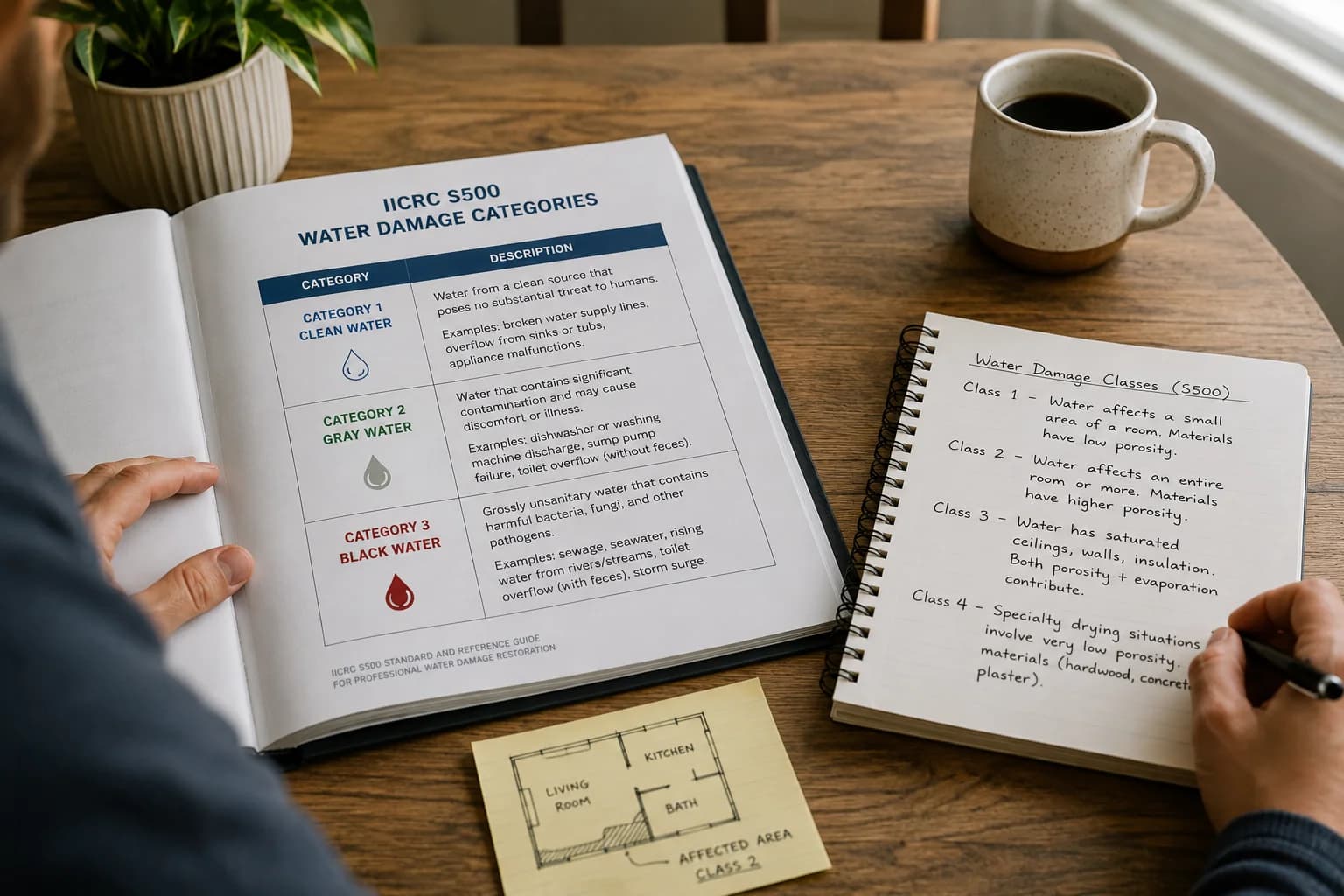
The IICRC classifies all flood water as Category 3—the same contamination level as raw sewage. This classification is absolute regardless of how clean the water appears. Clear flood water is just as contaminated as visibly muddy water because biological contaminants are invisible.
This contamination level means the restoration protocol is fundamentally different from clean water damage: more materials must be removed, decontamination is required, PPE requirements are more extensive, and the health risks to occupants are significantly higher.
When Is It Safe to Enter Your Home After a Flood?
Do not enter a flooded home until floodwaters have fully receded from the property, the local government or emergency management has cleared the area for re-entry, you've checked for structural damage from outside (foundation cracks, leaning walls, sagging roof), you've confirmed there are no gas leaks (smell of gas or hissing sounds—if detected, leave immediately and call your gas company), you've verified that electricity is off at the main breaker (if the breaker panel is in a flooded area, call an electrician to disconnect power before entering), and you have appropriate PPE (rubber boots, waterproof gloves, N95 respirator at minimum).
Even after water recedes, flood-damaged homes contain contaminated surfaces, weakened structural members, and potentially hazardous conditions. Move carefully, test floors before putting full weight on them, and be alert for hidden hazards.
What Should You Do in the First 24 Hours?
How Do You Document Flood Damage?
Before touching anything, document all damage thoroughly for your flood insurance claim. Take photos and video of every room showing the high-water mark on walls, all damaged materials and belongings, the exterior of the home including foundation and landscaping damage, and mud and debris deposits. Mark the high-water line on walls with a permanent marker—this evidence is critical for your insurance claim and guides material removal. NFIP requires a Proof of Loss form within 60 days, and thorough documentation supports your claim.
How Do You Begin Water Removal?
Standing water must be removed as quickly as possible, but the method matters. For significant standing water, professional pump-out is necessary—truck-mounted or submersible pumps remove water far faster than consumer equipment. After pumping, remaining water is extracted with professional wet vacuums. Mud and sediment are shoveled and removed before drying can begin—you cannot dry a home with inches of mud on the floors.
One critical caution: if the flood water was deep (several feet), do not pump all water out at once. The water pressure outside the foundation may exceed the pressure inside, risking foundation wall collapse. Pump down one-third of the water per day to equalize pressure gradually.
What Materials Must Be Removed After a Flood?
All porous materials contacted by flood water must be removed—no exceptions. These materials have absorbed contaminated water deep into their structure where no cleaning or disinfecting agent can reach.
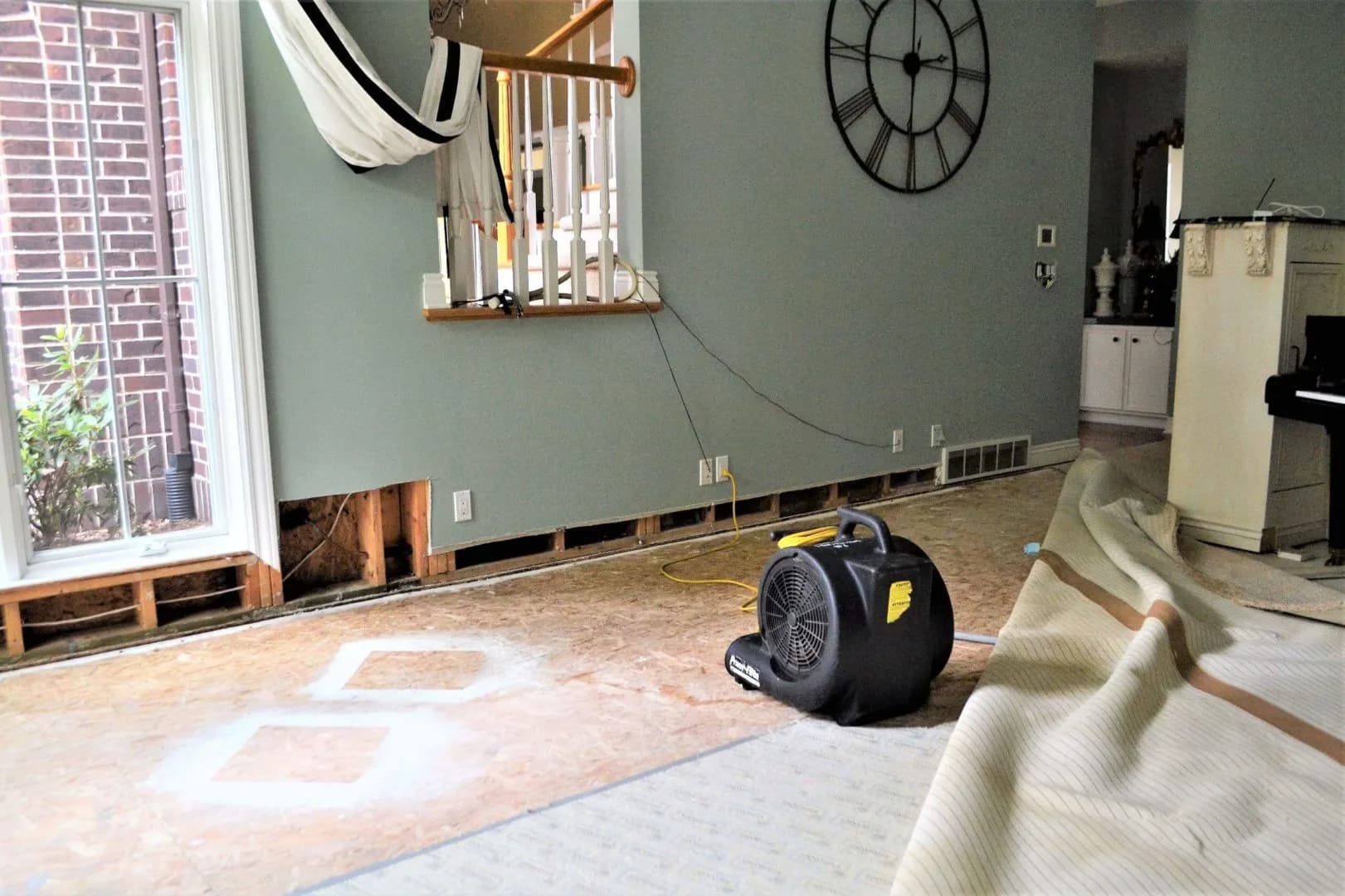
Mandatory removal: All carpet and carpet padding. Drywall to a minimum of 24 inches above the visible high-water mark (water wicks upward through drywall beyond the flood level). All insulation in affected wall cavities (fiberglass, cellulose, and spray foam). Baseboards and trim. Particleboard, MDF, and engineered wood products. All upholstered furniture, mattresses, and pillows. Paper products, books, and cardboard.
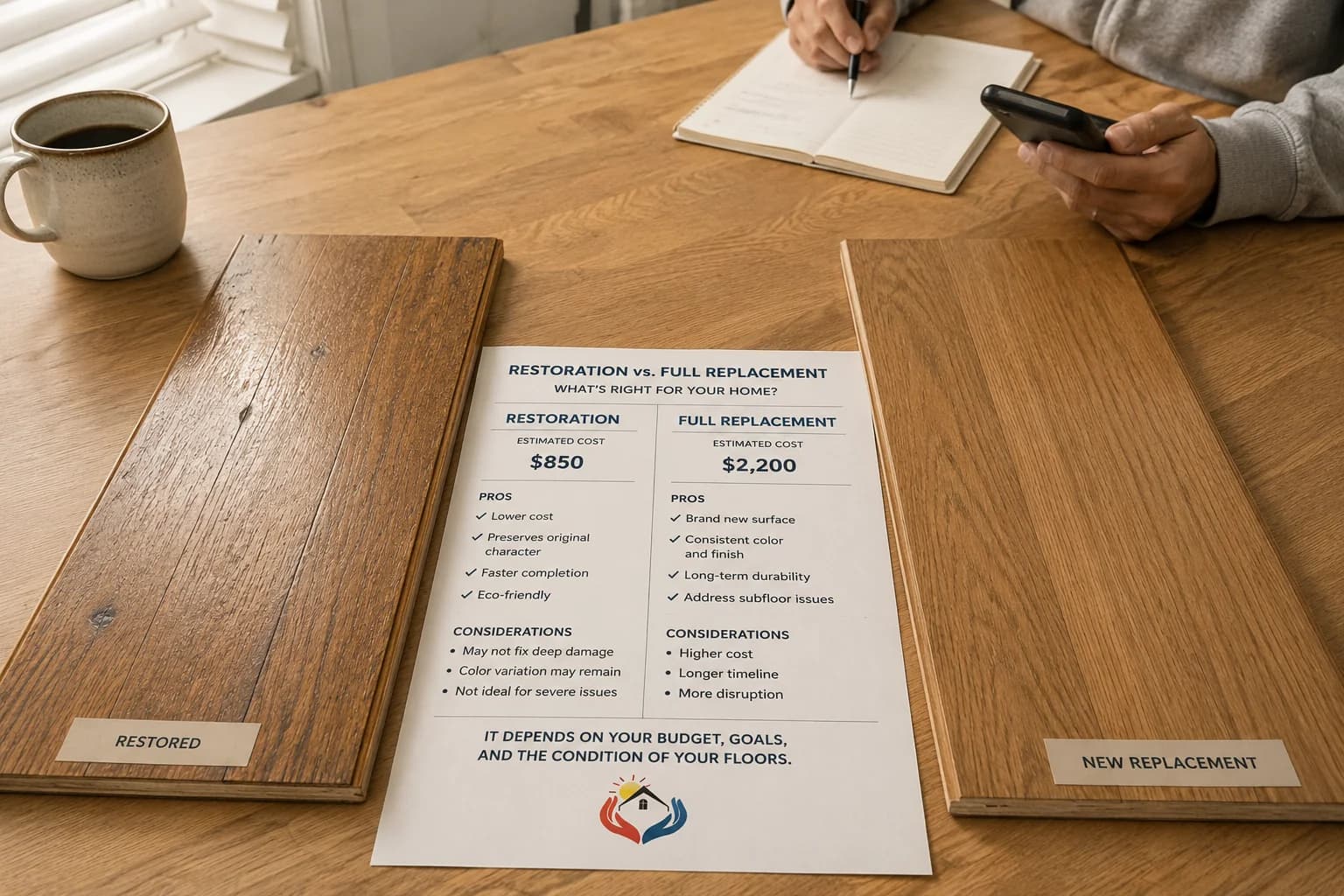
Assessment required: Structural wood framing (may be salvageable with aggressive cleaning and antimicrobial treatment if not structurally compromised). Plywood subfloor (may be salvageable if not delaminated). Concrete and masonry (non-porous, can be decontaminated). Hardwood flooring (rarely salvageable after flood contact, but assessment is warranted). Cabinetry (solid wood may be salvageable; particle board and MDF must be removed).
How Are Structural Surfaces Decontaminated?
After contaminated materials are removed, all remaining structural surfaces undergo a multi-step decontamination process. Physical cleaning removes visible mud, sediment, and contamination from all surfaces—concrete slab, wood framing, subfloor, and remaining structural members. EPA-registered antimicrobial and disinfectant agents are applied to all surfaces. These products are specifically formulated for flood contamination and provide both immediate disinfection and residual protection against microbial regrowth. HEPA vacuuming after treatment removes any remaining particulate contamination. Verification testing (ATP swabs or microbial sampling) may be performed to confirm effective decontamination before drying begins.
How Does Professional Structural Drying Work After a Flood?
Once contaminated materials are removed and surfaces are decontaminated, structural drying begins—and this phase is critical for preventing mold. Commercial LGR dehumidifiers reduce ambient humidity below 50% while pulling moisture from structural materials. High-velocity air movers create airflow patterns that accelerate evaporation from wet framing, subfloor, and concrete. HEPA air scrubbers run continuously to capture airborne contaminants and mold spores. Daily moisture monitoring using calibrated meters, thermal imaging, and hygrometers tracks drying progress and identifies areas where moisture is trapped.
Flood damage drying typically takes 7-14 days—significantly longer than clean water damage—because structural materials absorb more water during prolonged flood immersion, concrete slabs take much longer to dry than wood and drywall, and higher contamination levels require more conservative drying approaches.
How Do You Prevent Mold After a Flood?
Mold prevention after a flood is a race against time. Spores begin germinating within 24 hours of moisture exposure, and Southern California's warm temperatures accelerate growth. Remove all contaminated porous materials within 48 hours. Begin professional drying within 24 hours of water removal. Apply antimicrobial treatment to all structural surfaces during the drying process. Run HEPA air scrubbers continuously. Monitor humidity and moisture daily. Do not close up walls or replace materials until all structural members have reached target moisture levels (below 15% for wood, below 1% for drywall equivalent).
If mold has already developed (common when flood cleanup is delayed beyond 48-72 hours), full mold remediation must be completed before reconstruction begins. This adds $5,000-$15,000+ to the total project cost and extends the timeline by 1-2 weeks.
FAQ: Drying Out After a Flood
Q: How long does it take to dry out a flooded home?
A: Material removal and decontamination: 2-4 days. Structural drying: 7-14 days. Total before reconstruction can begin: 10-18 days. The timeline depends on flood depth, duration of immersion, building construction, and ambient conditions. Coastal LA and Orange County areas with higher ambient humidity may require longer drying periods.
Q: Can I use regular fans and a home dehumidifier?
A: No. Consumer equipment is insufficient for flood damage. A home dehumidifier removes 2-4 gallons per day; a commercial LGR unit removes 15-22 gallons. The scale of moisture in flood-damaged structural materials requires commercial equipment and professional monitoring.
Q: Should I remove drywall above the water line?
A: Remove drywall to at least 24 inches above the visible high-water mark. Water wicks upward through drywall by capillary action, carrying contamination above the flood level. If moisture readings show elevated levels higher than 24 inches, remove additional drywall until you reach dry material.
Q: Can I save my hardwood floors after a flood?
A: Rarely. Prolonged immersion in contaminated flood water causes warping, cupping, delamination, and contamination that penetrates the wood. In rare cases where immersion was brief and water was relatively clean, professional drying may salvage hardwood. Assessment by an IICRC-certified technician determines feasibility.
Q: Does flood insurance cover the drying and cleanup?
A: Yes. NFIP and private flood policies cover restoration including water removal, material demolition, decontamination, structural drying, and reconstruction up to policy limits ($250,000 dwelling for NFIP). File your claim promptly and maintain thorough documentation.
Q: Does Save The Day Restoration handle flood damage?
A: Yes. We provide complete flood damage restoration from emergency water removal through decontamination, structural drying, mold prevention, and full reconstruction. We coordinate with NFIP, private flood insurers, and FEMA. 24/7 response throughout LA and Orange County. Licensed general contractor #1049188.
Act Fast—Mold Doesn't Wait
Every hour of delay after flood water recedes increases the risk of mold growth and the cost of restoration. Professional cleanup is not optional for flood damage—the contamination level makes DIY cleanup both dangerous and ineffective.
Call Save The Day Restoration at (562) 246-9908 the moment flood water begins receding. 24/7 emergency response with professional extraction, decontamination, and structural drying throughout Los Angeles and Orange County. IICRC-certified technicians, licensed general contractor #1049188, direct insurance billing available.
How we prepare and update our guides
Related serviceWater Damage RestorationEmergency water extraction & dryingAbout Save The Day Restoration
Save The Day Restoration is a locally owned, IICRC-certified restoration and reconstruction company serving all of Los Angeles and Orange County. The team coordinates water, fire, and mold restoration and reconstruction, including specialist work when needed. Licensed (CSLB #1049188), bonded, and insured, with 24/7 emergency response.
Call (562) 246-9908