In this guide
Reconstruction repairs or replaces damaged building components after mitigation. The scope may include structural work, building systems, finishes, permits, and inspections, depending on the loss.
Keep it handy
A free printable for this guide
Save a copy for your fridge or binder. No email needed.
Rebuild planning & decision sheet
Track scope, permits, materials, change decisions and the next milestone.
Read the checklist online
Bring this to project meetings and keep it alongside your signed contract and approved plans.
Confirm permit and inspection needs with the local building department and licensed contractor. This sheet is not a permit, contract or occupancy clearance.
Before the work moves ahead
- Confirm the written scope, exclusions, estimate and who manages each stage.
- Ask which permits, inspections and code-related work apply to your property.
- List material choices, order dates and who approves substitutions.
- Keep written change approvals and the latest agreed schedule together.
Space to fill in
- Project / meeting date
- Contractor / main contact
- Permit / inspection questions
Decisions and milestones
Columns: Decision / task; Owner; Needed by; Agreed outcome / reference. 4 blank rows.
Reference guidance
Quick Answer: Reconstruction after property damage rebuilds everything that was removed or destroyed during the restoration process—drywall, flooring, paint, baseboards, cabinetry, electrical, plumbing, insulation, and finishes. It begins only after mitigation (water extraction, drying, mold remediation, smoke/soot removal) is complete and all materials have reached safe moisture and contamination levels. Reconstruction follows building codes current at the time of repair, which in California means Title 24 energy code compliance. Insurance covers reconstruction to pre-loss condition. Call Save The Day Restoration at (562) 246-9908 for complete restoration-through-reconstruction service across LA and Orange County.
What Is the Difference Between Restoration and Reconstruction?
Property damage recovery happens in two distinct phases, and understanding the difference prevents confusion, delays, and gaps in your project.
Restoration (mitigation) is the emergency phase: stopping the damage source, extracting water, removing contaminated or unsalvageable materials, drying structural components, remediating mold, cleaning smoke and soot, and decontaminating surfaces. Restoration is about stabilizing the home, preventing further damage, and creating safe conditions for rebuilding. This phase involves demolition—removing damaged drywall, flooring, insulation, and other materials—but does not replace them.
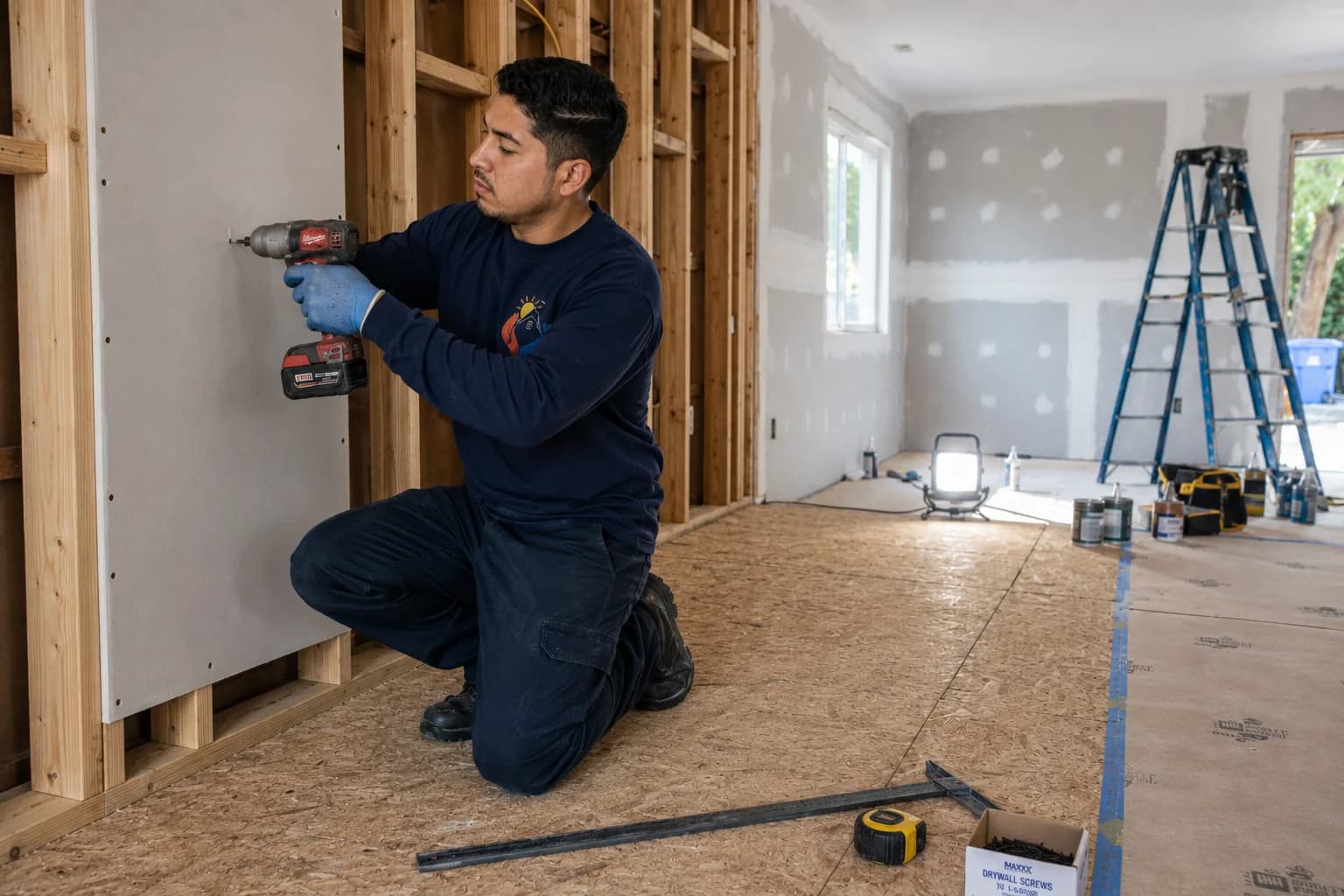
Reconstruction is the rebuilding phase: replacing everything that was removed during restoration and returning the home to its pre-loss condition (or better, when code upgrades are required). Reconstruction is construction work—framing, drywall installation, painting, flooring installation, cabinetry, electrical, plumbing, and finish work.
At Save The Day Restoration, we handle both phases as a single continuous project. This eliminates the gap, communication failures, and duplicated costs that occur when homeowners use separate companies for restoration and reconstruction.
What Does Reconstruction Typically Include?
What Structural Work Is Involved?
Depending on the extent of damage, structural reconstruction may include replacement of damaged framing members (studs, joists, rafters, beams), subfloor repair or replacement, structural sheathing replacement, foundation repairs (after flood or mudslide damage), roof structure repair, and load-bearing wall reconstruction. Structural work requires engineering assessment when damage affects load-bearing elements. In seismic zones like LA and Orange County, structural repairs must meet current California Building Code requirements for seismic resistance.
What Interior Finishing Work Is Required?
Interior reconstruction restores the visible and functional elements of your home. Drywall installation on walls and ceilings, including taping, mudding, and texturing to match existing finishes (smooth, orange peel, knockdown, skip trowel). Painting of all reconstructed surfaces, including primer and finish coats color-matched to existing paint. Baseboard, crown molding, and trim installation matched to existing profiles and styles. Door and door frame replacement where removed or damaged. Window trim and casing replacement.
What Flooring Work Is Included?
Flooring reconstruction replaces all flooring removed during restoration. Options include carpet installation with new padding, hardwood flooring installation (solid or engineered), tile installation with new underlayment and grout, laminate or luxury vinyl plank (LVP) installation, and natural stone replacement. Insurance covers replacement with materials of "like kind and quality"—meaning the replacement should match the quality level of what was there before. If you had builder-grade carpet, insurance covers builder-grade replacement. If you had hand-scraped hardwood, insurance covers comparable quality.
What Mechanical Systems Are Addressed?
Electrical repair and replacement of damaged wiring, outlets, switches, fixtures, and panels. Plumbing repair including supply lines, drain lines, fixtures, and water heater replacement when damaged. HVAC repair or replacement including ductwork cleaning or replacement, air handler repair, and system testing. All mechanical work must meet current California codes, which may require upgrades beyond the original installation.
What About Cabinetry and Built-Ins?
Kitchen and bathroom cabinets destroyed by water, fire, or mold are replaced during reconstruction. Options range from stock cabinetry (matching the quality level of originals) to semi-custom or custom replacements. Countertops, backsplashes, and hardware are included. Built-in shelving, entertainment centers, and custom closet systems are also covered when damaged.
When Does Reconstruction Begin?
Reconstruction cannot begin until the mitigation phase is fully complete. This means all affected areas are thoroughly dried to target moisture levels (below 15% for wood, below 1% for drywall equivalent materials). Any mold remediation has been completed and verified by independent post-remediation testing. All smoke, soot, and contamination has been cleaned and sealed. The adjuster has inspected and approved the scope of work. Building permits have been obtained (required for most reconstruction work in LA and Orange County).
Starting reconstruction before mitigation is complete is a costly mistake. Installing new drywall over framing that hasn't reached target moisture levels leads to mold growth behind the new walls—requiring a second round of demolition, mold remediation, and reconstruction.
How Does Insurance Cover Reconstruction?
Your homeowner's insurance dwelling coverage pays for reconstruction to pre-loss condition. This includes all materials, labor, permits, and code-required upgrades. Key insurance terms for reconstruction include replacement cost value (RCV), which pays to replace damaged property with new materials of like kind and quality without deduction for depreciation; actual cash value (ACV), which is the replacement cost minus depreciation—some policies initially pay ACV and release the depreciation holdback after reconstruction is completed; code upgrade coverage, as most policies include coverage for code-required upgrades (essential in California where Title 24 energy requirements may mandate upgrades during reconstruction); and extended replacement cost, as many policies provide 125-150% of dwelling coverage for reconstruction costs that exceed the base limit.
What Role Do Building Codes Play?
California law requires that reconstruction work meet building codes current at the time of repair—not the codes that were in effect when the home was originally built. For LA and Orange County homes, this means Title 24 energy efficiency standards (insulation, windows, HVAC efficiency, lighting), current electrical code (GFCI protection, AFCI protection, outlet spacing), current plumbing code (water-efficient fixtures, proper venting), seismic requirements (structural connections, shear walls, foundation bolting), and fire safety requirements (smoke detectors, carbon monoxide detectors, fire-rated assemblies).
Code upgrades can add 10-25% to reconstruction costs but are required by law and typically covered by insurance.
FAQ: Property Damage Reconstruction
Q: How long does reconstruction take after property damage?
A: Small projects (one room, cosmetic repairs): 1-2 weeks. Moderate projects (multiple rooms, flooring, drywall, paint): 3-6 weeks. Large projects (extensive damage, structural repairs, full kitchen/bath rebuilds): 2-6 months. Timeline depends on scope, permit requirements, material availability, and insurance approval process.
Q: Can I upgrade materials during reconstruction?
A: Yes. Insurance covers replacement with like kind and quality materials. If you want to upgrade (hardwood instead of carpet, quartz instead of laminate countertops), you pay the difference between the insurance-covered replacement and the upgrade cost. Many homeowners use reconstruction as an opportunity to improve their home's finishes.
Q: Do I need to move out during reconstruction?
A: For small projects confined to one area, you can typically remain in the home. For extensive reconstruction involving multiple rooms, kitchen or bathroom rebuilds, or work affecting electrical and plumbing systems, temporary relocation is often necessary. Your ALE coverage pays for temporary housing during reconstruction.
Q: Who pulls the building permits?
A: Your licensed general contractor pulls all required permits. At Save The Day Restoration, we handle all permitting as part of the reconstruction process. Building permits require a licensed California general contractor—homeowners cannot pull permits for work performed by contractors in California.
Q: What if I discover additional damage during reconstruction?
A: Additional damage discovered during reconstruction (hidden mold behind walls, structural damage not visible during initial assessment, electrical or plumbing issues) is documented and filed as a supplemental claim with your insurance company. Your restoration company prepares the supplemental documentation and coordinates with the adjuster.
Q: Does Save The Day handle both restoration and reconstruction?
A: Yes. We are a licensed California general contractor (#1049188) providing complete restoration-through-reconstruction service. One company, one point of contact, one continuous project from emergency response through final finish work. We handle permitting, code compliance, insurance documentation, and direct billing throughout LA and Orange County.
One Company, Start to Finish
The smoothest property damage recovery uses one company from emergency response through final reconstruction. No gaps, no miscommunication, no duplicated work.
Call Save The Day Restoration at (562) 246-9908 for complete restoration and reconstruction throughout Los Angeles and Orange County. IICRC-certified technicians, licensed general contractor #1049188, direct insurance billing with all major carriers.
How we prepare and update our guides
Related serviceReconstruction & General ContractingFull rebuilds & renovationsAbout Save The Day Restoration
Save The Day Restoration is a locally owned, IICRC-certified restoration and reconstruction company serving all of Los Angeles and Orange County. The team coordinates water, fire, and mold restoration and reconstruction, including specialist work when needed. Licensed (CSLB #1049188), bonded, and insured, with 24/7 emergency response.
Call (562) 246-9908