Residential Fire Damage
Residential fire damage restoration provides homeowners with comprehensive recovery from house fires including emergency board-up, water extraction from firefighting, smoke and soot removal, content pack-out, odor elimination, and full reconstruction to pre-loss condition.
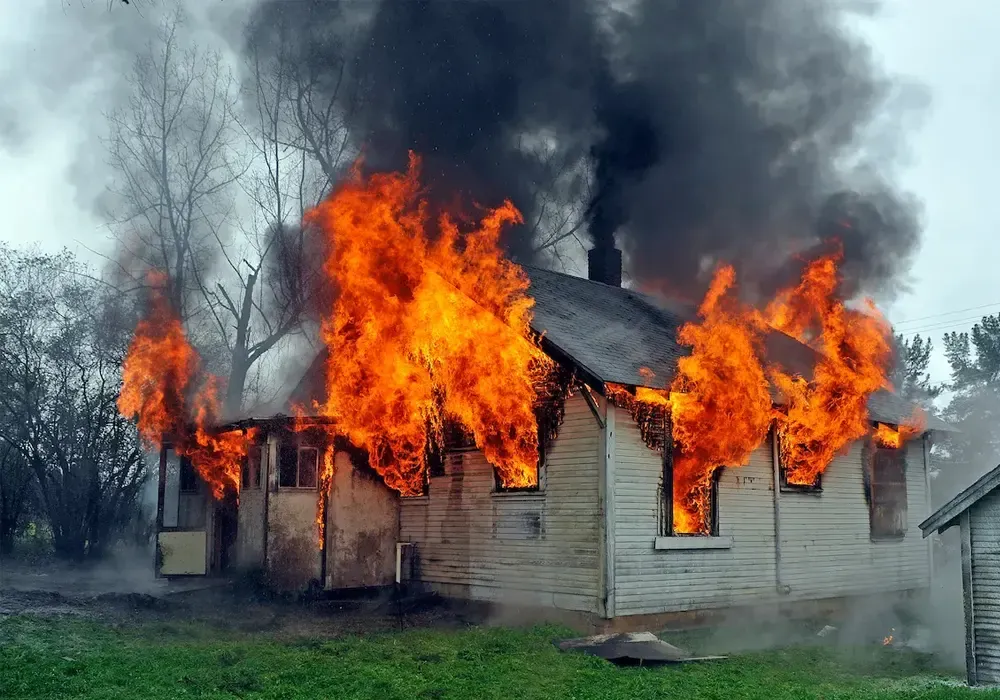
Residential Fire Damage Restoration in Los Angeles & Orange County
Quick Answer: Residential fire damage restoration is a comprehensive recovery process that takes a fire-damaged home from emergency securing through complete reconstruction. The process includes emergency board-up and tarping, water extraction from firefighting suppression, smoke and soot removal from every surface, structural smoke odor elimination, content pack-out and restoration of salvageable belongings, mold prevention, and full reconstruction—managed as one continuous project by a single company. A house fire affects every system in the home and requires coordinated restoration across multiple specialties. Save The Day Restoration provides complete residential fire damage restoration throughout LA and Orange County. Call (562) 246-9908 for 24/7 emergency response.
What Happens to a Home During a House Fire?
A house fire creates four distinct categories of damage that must all be addressed for complete restoration—and the fire itself is often not the most expensive one to repair.
Direct fire damage destroys materials in the fire's path through combustion. Structural framing, drywall, flooring, fixtures, and contents are charred or consumed. The extent depends on fire duration, fuel load, and response time. Direct fire damage is typically concentrated in the room or area of origin, though it can spread to adjacent spaces and through the roof or floor system.
Smoke and soot damage extends far beyond the fire itself. Combustion gases carry corrosive soot particles throughout the entire home via convection currents, pressure differentials, and HVAC distribution. Every room—including those on opposite ends of the house from the fire—receives some level of smoke contamination. Soot's acidic compounds begin permanently damaging surfaces within 24-72 hours.
Water damage from firefighting is often the most extensive and costly damage category. Fire suppression uses hundreds to thousands of gallons of water delivered at high pressure. This water saturates flooring, soaks through to lower levels, fills wall cavities, and pools in structural low points. The resulting water damage frequently affects areas the fire never reached and requires the same extraction, drying, and reconstruction as any major water damage event.
Secondary damage develops in the hours and days following the fire if professional restoration doesn't begin promptly. Mold colonizes wet materials within 48 hours. Soot corrosion permanently etches metal fixtures and stone surfaces. Water standing in wall cavities promotes wood rot. Unsecured openings allow weather, animals, and vandals to cause additional damage.
Why Does Residential Fire Restoration Require a Comprehensive Approach?
House fire restoration cannot be treated as a single-trade project. The interconnected damage categories require coordinated work across multiple specialties—and the sequence matters enormously.
Water must be extracted before drying can begin. Drying must be underway before soot cleaning starts (cleaning wet soot creates permanent stains). Soot must be cleaned before odor treatment (treating odor over uncleaned soot is ineffective). Odor must be eliminated before reconstruction begins (sealing odor behind new drywall causes recurrence). Reconstruction must address all removed materials in proper sequence—framing, rough mechanical, insulation, drywall, finish work.
When homeowners hire separate companies for each phase—one for water extraction, another for soot cleaning, another for reconstruction—gaps between phases allow secondary damage, and no single company takes responsibility for the complete outcome. A restoration company that manages the entire process from emergency response through reconstruction eliminates these gaps and delivers a coordinated result.
Common Causes of Residential Fires in Southern California
Kitchen Fires
Cooking is the leading cause of residential fires nationally. Unattended cooking, grease fires, and oven malfunctions cause fires that can spread rapidly through cabinetry, backsplash materials, and range hoods into wall cavities and attic spaces. Kitchen fires produce heavy protein soot (from food) mixed with oily soot (from synthetic materials), creating a particularly challenging cleanup profile. Even small kitchen fires contained to the stovetop produce smoke damage extending well beyond the kitchen.
Electrical Fires
Aging wiring, overloaded circuits, damaged electrical cords, and faulty appliances cause fires that often originate inside walls where they can smolder undetected before breaking through. Electrical fires are particularly dangerous in older Southern California homes—properties built before the 1970s may have aluminum wiring, ungrounded circuits, or obsolete panel designs that increase fire risk. Electrical fires often produce heavy smoke damage relative to visible fire damage because smoldering inside wall cavities generates dense smoke distributed through the wall system.
Heating Equipment
Space heaters, fireplaces, and furnaces cause residential fires when placed too close to combustible materials, when chimneys or flues are poorly maintained, or when equipment malfunctions. Southern California homes use heating infrequently, which means heating equipment may sit unused for months—dust accumulation, forgotten items stored near heaters, and deferred chimney maintenance increase fire risk when heating is suddenly needed during cold snaps.
Dryer Fires
Lint accumulation in dryer vents and exhaust ducts is a leading and often overlooked fire cause. Lint—highly combustible and insulating—restricts airflow and traps heat until ignition occurs. Dryer fires spread quickly through laundry rooms and into adjacent wall cavities. Annual professional dryer vent cleaning is one of the most effective fire prevention measures for any home.
Candles, Smoking, and Open Flame
Unattended candles, cigarettes, and other open flames remain significant residential fire causes. These fires typically originate in bedrooms and living areas, igniting bedding, upholstered furniture, curtains, or carpet. Synthetic materials in modern furniture and bedding produce heavy toxic smoke and oily soot disproportionate to the fire size.
What Does Residential Fire Damage Restoration Include?
Emergency Board-Up and Securing
Immediately after fire department clearance, the property is secured. Broken windows, damaged doors, and structural openings are boarded with plywood. Damaged roof areas receive heavy-duty tarps to prevent weather intrusion. The property is secured against unauthorized entry, animal intrusion, and further damage. This emergency securing is required by your insurance policy's duty-to-mitigate clause and is covered as emergency mitigation before your deductible.
Water Extraction and Drying
Firefighting water—often thousands of gallons—is extracted using commercial truck-mounted equipment. Standing water is pumped out. Saturated carpet, padding, and flooring materials are extracted or removed. Wall cavities are accessed and dried. The water damage from a fire is frequently the most extensive damage category and requires the same commercial drying protocols as any major water loss: LGR dehumidifiers, high-velocity air movers, and daily moisture monitoring until target levels are achieved.
Smoke and Soot Removal
Every smoke-affected surface is professionally cleaned using methods matched to the soot type present. Dry soot is removed with HEPA vacuums and chemical sponges. Oily soot is treated with alkaline degreasers. Protein soot requires enzymatic cleaners. All surfaces—walls, ceilings, trim, fixtures, hardware, cabinet interiors, window tracks—receive systematic cleaning progressing from least affected to most affected areas. HEPA air scrubbers run continuously during cleanup to capture airborne particles.
Content Pack-Out and Restoration
Personal belongings are inventoried, carefully packed, and transported to an off-site facility for professional cleaning, deodorization, and storage during the restoration process. Electronics, furniture, clothing, documents, artwork, and sentimental items are cleaned using specialized methods appropriate to each material. Items that cannot be restored are documented with photographs, descriptions, and pre-loss values for insurance replacement claims. Restored items are returned after reconstruction is complete.
Structural Smoke Odor Elimination
After soot cleaning, embedded smoke odor is addressed using thermal fogging, hydroxyl generators, ozone treatment, and HEPA air scrubbing with activated carbon filtration. The treatment sequence targets odor molecules embedded deep within structural materials that surface cleaning cannot reach. After treatment, surfaces receive odor-blocking sealant before reconstruction to prevent odor bleed-through into new finishes.
Demolition and Preparation
Fire-damaged, water-damaged, and smoke-saturated materials that cannot be restored are removed: charred framing and sheathing, damaged drywall, destroyed insulation, ruined flooring, damaged cabinetry, and compromised mechanical systems. Removal is performed systematically to preserve salvageable materials and minimize reconstruction scope. All removed materials are documented for insurance.
Complete Reconstruction
Reconstruction rebuilds the home to pre-loss condition—or better, since California building codes require current-code upgrades when substantial reconstruction is performed. Structural framing is repaired or replaced. Electrical, plumbing, and HVAC systems are restored or upgraded. New insulation meeting current Title 24 energy requirements is installed. Drywall, texture, and paint restore interior finishes. Flooring, cabinetry, fixtures, and trim complete the reconstruction. Permits are obtained for all work requiring them, and inspections are scheduled throughout the process.
How Much Does Residential Fire Damage Restoration Cost?
Minor fire (one room, limited smoke, minimal water): $5,000-$20,000. Moderate fire (multiple rooms, significant smoke throughout, water damage): $20,000-$75,000. Major fire (structural damage, extensive smoke, heavy water from suppression): $75,000-$200,000. Severe fire (large portions of home destroyed, complete reconstruction of affected areas): $150,000-$400,000+. Total loss requiring complete rebuild: $300,000-$700,000+ depending on home size and finishes.
The wide ranges reflect the enormous variation in fire severity, smoke penetration, water damage, and reconstruction scope. A contained kitchen fire with quick suppression is a fundamentally different project from a fire that spread through the attic and required multiple engine companies with thousands of gallons of water.
Does Insurance Cover Residential Fire Damage?
Yes. Fire is a standard covered peril under virtually all homeowner's insurance policies. Your policy provides several coverage categories that apply to residential fire damage.
Dwelling coverage (Coverage A) pays for structural repair and reconstruction of your home to pre-loss condition, including code-required upgrades. This is typically the largest coverage category and covers all structural work, materials, and labor.
Other structures coverage (Coverage B) pays for damage to detached garages, sheds, fences, and other separate structures on your property.
Contents coverage (Coverage C) pays for replacement of damaged personal property. Document everything with photographs and detailed inventory for maximum recovery.
Additional Living Expenses (Coverage D) pays for temporary housing, meals, transportation, and other living costs during restoration. This coverage is critical for fire damage since restoration typically requires months of displacement.
File your claim within 24 hours of the fire. Begin emergency mitigation immediately—your policy requires it and covers it. Save The Day Restoration handles direct insurance billing, comprehensive documentation, and coordinates with your adjuster throughout the restoration and reconstruction process.
How Long Does Residential Fire Restoration Take?
Minor damage: 2-4 weeks. Moderate damage: 1-3 months. Major damage: 3-6 months. Severe damage with substantial reconstruction: 6-12+ months. Key timeline factors include the extent of water damage from firefighting (drying alone takes 5-14 days), whether mold remediation is needed, permit processing time for structural and mechanical work, material availability and lead times, and inspection scheduling with local building departments.
24/7 Emergency Response for House Fires
After the fire department leaves, your restoration begins. Immediate professional response prevents soot from permanently damaging salvageable surfaces, extracts firefighting water before mold develops, and secures your property against further loss.
Residential fire damage calls come from every corner of our service area, but certain communities see disproportionate volume due to local risk factors. In Pasadena and Burbank, Craftsman-era homes with original wood framing and outdated wiring are particularly vulnerable to electrical fires, while families in Anaheim and Santa Ana often face fire emergencies in densely packed neighborhoods where flames can spread quickly between structures. Our residential fire teams respond frequently across Long Beach, Compton, and Orange, and we serve hillside homeowners in Laguna Beach where wildfire evacuations and ember damage create complex restoration scenarios.
Call Save The Day Restoration at (562) 246-9908 for 24/7 residential fire damage restoration throughout LA and Orange County. Emergency board-up, water extraction, smoke and soot cleanup, content pack-out, odor elimination, and complete reconstruction. Licensed general contractor #1049188, IICRC-certified technicians, direct insurance billing with all major carriers.
Our Residential Fire Damage Restoration Process Includes:
01
24/7 Emergency Response & Safety Assessment
We arrive the same day to assess fire damage, verify structural safety, and begin securing your home. Our priority is protecting your family and preventing further damage.
02
Emergency Board-Up & Roof Tarping
Exposed windows, doors, and roof openings are boarded up and tarped. This prevents weather damage, theft, and animal intrusion while restoration work is planned.
03
Water Extraction from Firefighting Suppression
Firefighting efforts leave significant water damage. We extract water from every affected area and begin drying immediately to prevent secondary mold growth.
04
Smoke & Soot Cleaning of All Surfaces
Every surface in your home is cleaned of smoke and soot using material-appropriate techniques. Walls, ceilings, cabinets, and fixtures are restored to pre-fire condition.
05
Content Pack-Out, Cleaning & Inventory
Personal belongings are carefully inventoried, packed, and transported to our facility for professional cleaning. You receive a detailed list of every item we handle.
06
Structural Smoke Odor Elimination
Thermal fogging, hydroxyl generators, and ozone treatment eliminate smoke odors embedded deep in structural materials. We verify results with air quality testing.
07
Mold Prevention & Structural Drying
Residual moisture from firefighting efforts creates mold risk. We apply antimicrobial treatments and maintain controlled drying conditions until all materials reach safe moisture levels.
08
Complete Home Reconstruction to Pre-Loss Condition
Our licensed general contracting team rebuilds your home from framing through final finishes. One company handles your entire recovery from emergency response through move-in.
What we handle
Specialized services for your specific damage

Smoke Odor Removal
Professional smoke odor elimination using thermal fogging, hydroxyl generators, and ozone treatment for fire-damaged properties

Smoke & Soot Cleanup
Professional smoke and soot removal from all surfaces using specialized cleaning methods for every soot type

Residential Fire Damage
Complete residential fire damage restoration from emergency response through reconstruction for homeowners across LA & Orange County

Rebuild After Fire
Complete home and business reconstruction after fire damage with licensed general contracting, permitting, and insurance coordination

Fire Damage Restoration
24/7 emergency fire, smoke, and soot damage restoration with complete reconstruction for homes and businesses across LA & Orange County

Fire Damage Board-Up Services
Emergency board-up and property securing immediately after fire department clearance to prevent further damage and theft
We work with all major insurance carriers






CITIES WHERE THIS SERVICE IS AVAILABLE
Same certified technicians, same fast response — wherever you are in LA or Orange County. Select your city to see local details and schedule service.
WHERE WE OFFER THIS SERVICE
24/7 emergency response across Los Angeles and Orange County. Click your city for local service details and response times.
Common Questions
Common questions about this service
Do not enter until the fire department has issued clearance. Even after clearance, fire-damaged homes contain hazards including weakened structural members, compromised flooring, electrical system damage, sharp debris, and toxic air from burned synthetic materials. Professional restoration technicians enter with respirators, hard hats, protective clothing, and structural awareness training. Wait for professional assessment before entering any fire-damaged area of your home.
Contact your insurance company to file a claim within 24 hours. Call a professional restoration company for emergency board-up and assessment. Do not attempt cleanup yourself—improper handling worsens soot damage and compromises insurance documentation. Do not turn on HVAC systems, which spread soot to unaffected areas. Photograph all visible damage from safe areas. Keep all receipts for emergency expenses (hotel, food, clothing)—these are covered by your ALE coverage.
Minor fire damage (one room, limited smoke): 2-4 weeks. Moderate damage (multiple rooms, significant smoke throughout): 1-3 months. Major damage (structural involvement, extensive reconstruction): 3-6 months. Severe damage requiring substantial rebuild: 6-12+ months. Timeline depends on fire extent, smoke penetration, water damage from firefighting, permit requirements, and material availability.
Fire is a covered peril under virtually all homeowner's policies. Dwelling coverage pays for structural restoration. Contents coverage pays for personal property. ALE coverage pays for temporary living expenses. However, coverage is limited to your policy amounts—if restoration costs exceed your dwelling limit, you pay the difference unless you have extended replacement cost coverage. Review your policy limits regularly, especially as construction costs increase.
In most cases, no. Fire-damaged homes have compromised air quality from smoke particles and potentially toxic combustion byproducts. Active restoration involves demolition, chemical cleaning agents, industrial equipment, and construction—none compatible with occupancy. Your insurance ALE coverage pays for temporary housing during restoration. For very minor fires affecting one room only, partial occupancy may be possible with proper containment and air quality measures.
Need more answers?
Reach out anytime
Damage is happening right now
Call (562) 246-9908 now. Licensed #1049188. IICRC certified. We're dispatching immediately.
