
In this guide
Mold prevention depends on controlling indoor moisture, even near the coast. Repair leaks, manage condensation, and use ventilation or dehumidification suited to the home's conditions.
Keep it handy
A free printable for this guide
Save a copy for your fridge or binder. No email needed.
Moisture & leak observation log
Record stains, odors, humidity readings and changes to share with an inspector.
Read the checklist online
Record what you notice without opening walls or disturbing suspect material. Make a fresh copy for each room.
This log does not diagnose mold or prove a room is dry. If you suspect mold in HVAC equipment, do not run it; seek professional advice.
Look, record, follow up
- Note the room, exact location and when you first noticed the change.
- Record any recent leak, rain event or condensation. Add a photo reference if safe.
- If using a humidity meter, record its reading and location. Arrange help for persistent or recurring moisture.
Space to fill in
- Room / exact location
- First noticed / recent leak or rain
Observation history
Columns: Date / time; What changed / reading; Photo ref.; Action / follow-up. 5 blank rows.
Reference guidance
Make it your own
Stay a step ahead
Home maintenance calendar
Choose your home and its features for a seasonal schedule you can print or add to your calendar.
Build your calendarHow to Prevent Mold Growth in Southern California's Coastal Humidity
Despite Southern California's reputation for year-round sunshine and dry weather, coastal residents in Long Beach, Huntington Beach, Newport Beach, and other marine-adjacent communities face persistent humidity levels of 60-80% driven by the marine layer—the low-lying clouds and moisture patterns that characterize coastal Southern California. This persistent moisture creates ideal conditions for mold colonization in bathrooms, crawl spaces, HVAC systems, and concealed spaces where standard prevention strategies fail. Unlike inland SoCal homes where low humidity prevents mold growth, coastal properties face genuine mold risk that requires proactive prevention, professional ventilation systems, and aggressive moisture management to protect your home's structural integrity and your family's health.
The Coastal Humidity Challenge: Why Long Beach, Huntington Beach, and Newport Beach Are Different
Homeowners in inland Southern California (areas like Signal Hill's higher elevations, inland Orange County, and San Bernardino County) enjoy the region's famous low humidity and dry climate. But coastal properties face a completely different moisture environment.
The marine layer—a cool, moist air mass that forms over the Pacific Ocean—moves inland during evening and morning hours, particularly from April through September. Even in technically "dry" SoCal, coastal communities experience relative humidity levels that would be considered moderate-to-humid elsewhere. Long Beach's average humidity fluctuates between 60-75% during the day, rising to 80%+ at night and early morning. Huntington Beach and Newport Beach, being directly on the coast, experience similarly elevated humidity levels.
This persistent moisture doesn't evaporate rapidly like it would in inland areas. Coastal breezes may moderate the heat (keeping temperatures 10-15°F cooler than inland areas), but that same ocean breeze carries moisture that prevents the rapid evaporation that typically occurs in desert-climate SoCal.
For homeowners, this means mold risk in coastal properties is fundamentally different from the risk profile homeowners face just 20 miles inland. Standard SoCal prevention strategies (passive ventilation, minimal dehumidification, allowing building envelopes to "breathe") are insufficient for coastal homes, where moisture management requires active, aggressive interventions.
The Marine Layer and Persistent Moisture Conditions
The marine layer forms when warm air over the Pacific Ocean interacts with the cold California Current, creating dense, moisture-laden clouds that hover offshore and sometimes advance inland. This system is most active April-September but can appear during winter months in Southern California.
During marine layer events, coastal properties experience: condensation on windows and exterior surfaces even when indoor air is dry; elevated indoor humidity as moisture seeps through walls, foundations, and ventilation systems; and night-time humidity that can reach 85-95% in some locations. By morning, as the marine layer retreats, humidity drops, but the moisture damage has already occurred.
This daily cycle of high humidity-low humidity is actually more damaging than sustained moderate humidity because the repeated expansion and contraction of materials creates stress and microscopic cracks where moisture can penetrate deeper into building assemblies.
For coastal homeowners, this means that even with air conditioning and dehumidification running, moisture intrusion is a persistent challenge. Crawl spaces, attics, and concealed cavities can remain damp throughout the year, creating ideal mold growth environments.
Common Mold Locations in Coastal Southern California Homes
Understanding where mold thrives in coastal properties allows targeted prevention. Here are the critical mold breeding grounds in Long Beach, Huntington Beach, Newport Beach, and other coastal homes:
Bathrooms. Bathrooms are mold hotspots in all climates, but coastal humidity amplifies the problem. Shower steam, sink splashing, and general moisture lingering in bathroom air creates sustained high-humidity microenvironments. Mold typically appears on ceilings, walls around shower/tub areas, and in bathroom exhaust vents where moisture accumulates. Many coastal homes have inadequate bathroom ventilation—exhaust fans that don't run long enough or vents that don't exhaust outside the home (instead venting into the attic, spreading moisture throughout the structure).
Crawl Spaces and Foundations. Crawl spaces are where coastal mold problems become most severe. Marine layer moisture penetrates the foundation and seeps into crawl spaces, where poor ventilation and stagnant air allow humidity to remain perpetually elevated. Mold growth on wooden beams, insulation, and vapor barriers in crawl spaces is extremely common in coastal properties. Once crawl space mold establishes, it's difficult to remediate because these spaces are isolated from normal air circulation and dehumidification.
HVAC Systems. Air handling units, ductwork, and evaporator coils in HVAC systems are chronically damp in coastal properties. The cooling process creates condensation in the evaporator coil, and if that condensation doesn't drain properly, mold colonizes the coil and circulates spores throughout the home with every cycle. Fiberglass insulation inside ductwork also absorbs moisture and becomes a mold habitat.
Behind Walls and in Wall Cavities. Moisture that penetrates exterior walls through poorly sealed seams, damaged cladding, or foundation cracks migrates into wall cavities where it remains trapped. Mold grows on the sheathing, insulation, and framing inside walls, creating hidden damage that doesn't become visible until structural failure or major renovation work.
Attics. While attics in inland SoCal homes remain relatively dry, coastal attics experience persistent moisture from marine layer penetration. Moisture condenses on roofing materials (especially on north-facing slopes shaded from morning sun), collects in insulation, and creates mold growth that spreads across the attic floor.
Closets and Interior Walls with Poor Air Circulation. Interior spaces with restricted air circulation—especially closets on exterior walls—become humid pockets where mold thrives. Coastal properties experience closet mold far more frequently than inland homes.
Prevention Strategies for Coastal Properties
Coastal mold prevention requires multi-layered strategies that go beyond basic moisture control:
Aggressive Ventilation. Bathrooms need exhaust fans that run continuously during showers and for 20-30 minutes after to remove steam completely. These fans must vent to the exterior (not into the attic). For coastal properties, consider upgrading to larger capacity fans (80+ CFM for small bathrooms) and installing timer-controlled fans that run periodically even when not in use, preventing moisture accumulation.
Whole-Home Dehumidification. While inland SoCal homes rarely need dehumidification, coastal properties benefit enormously from active dehumidification. Install a whole-home dehumidifier that works in conjunction with your HVAC system to maintain interior humidity below 55% year-round. This is more effective than room-by-room portable units because it addresses the entire building envelope and prevents moisture from concentrating in any single space.
Crawl Space Encapsulation. For coastal homes with crawl spaces, encapsulation—installing a continuous vapor barrier on the crawl space floor and walls—is highly recommended. Combined with a crawl space dehumidifier, encapsulation prevents marine layer moisture from permeating the crawl space and protects wooden structural elements from mold colonization.
High-MERV Air Filters. Upgrade your HVAC system to use MERV-13 or higher-rated filters (MERV = Minimum Efficiency Reporting Value). Higher MERV filters trap mold spores, dust mites, and other allergens more effectively than standard filters. However, ensure your HVAC system can handle the increased resistance of high-MERV filters (consult your HVAC technician). Filters should be changed monthly in coastal properties (versus the typical 3-month replacement in inland homes) because increased moisture and pollutant loading clogs them more rapidly.
Seal and Caulk Exterior Seams. Inspect your home's exterior for gaps around windows, doors, foundation seams, and where different building materials meet. Seal all gaps with marine-grade caulk or weatherstripping. This reduces the surface area where ocean moisture can penetrate the building envelope.
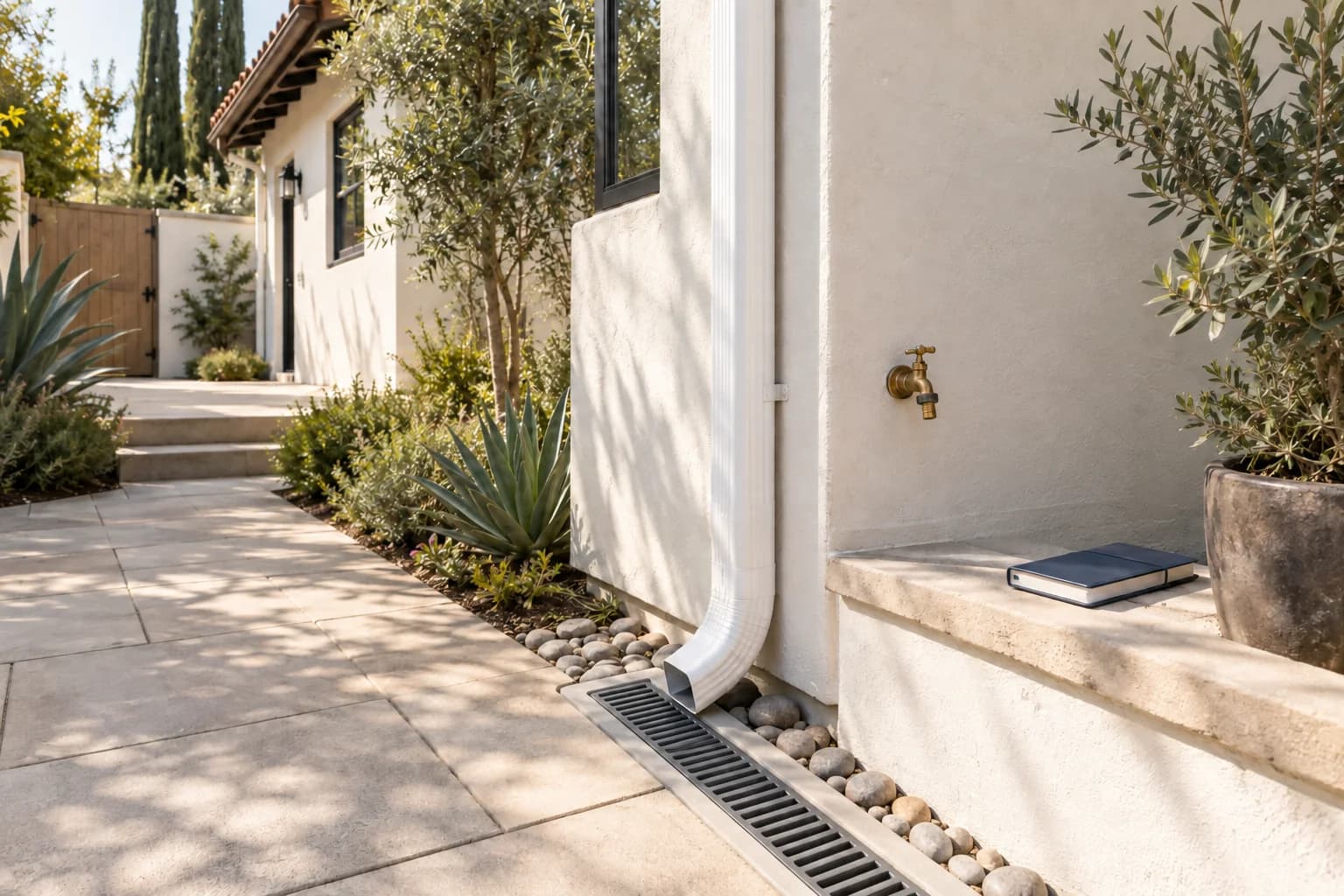
Proper Grading and Drainage. Ensure water drains away from your home's foundation. In coastal areas with clay soils, water can accumulate around the foundation, seeping into crawl spaces and basements. Grade soil to slope away from the foundation, and ensure gutters direct water at least 6-8 feet away from the home.
HVAC Maintenance. Have your HVAC system professionally serviced twice yearly in coastal properties (versus annually for inland homes). Technicians should clean evaporator coils, inspect drain lines for blockages, and ensure condensation drains properly. Many HVAC mold problems begin with clogged drain lines that allow condensation to accumulate in the coil.
When to Call Professional Mold Remediation Specialists
While prevention is ideal, mold growth in coastal properties sometimes occurs despite best efforts. Knowing when to call professionals is critical—DIY mold cleanup often spreads spores and makes problems worse.
Call a professional mold remediation specialist if you: see visible mold growth (anything larger than a few square inches should be professionally assessed); experience a musty smell indicating hidden mold; have visible water intrusion or sustained high humidity issues you cannot control; are concerned about mold in crawl spaces, attics, or HVAC systems; or have recently experienced water damage or flooding.
Professional assessment typically costs $300-$500 and includes moisture mapping to identify hidden moisture problems, laboratory testing to identify mold species and spore counts, and recommendations for targeted remediation.
The IICRC Mold Remediation Process
Save The Day Restoration & Reconstruction follows IICRC (Institute of Inspection, Cleaning and Restoration Certification) standards for mold remediation, ensuring thorough, safe removal that prevents recurrence.
Our process includes: comprehensive assessment and moisture mapping to identify all affected areas; containment of affected areas to prevent spore spread during remediation; HEPA air filtration during work to remove airborne spores; removal of visibly molded materials (drywall, insulation, etc.) and affected contents; cleaning of surfaces with IICRC-approved antimicrobial solutions; complete structural drying to prevent mold recurrence; dehumidification and moisture monitoring until humidity returns to normal; and corrective action to address the underlying moisture source.
IICRC protocols are essential in coastal properties because the underlying cause (persistent humidity) must be addressed or mold will recur within weeks or months. Professional remediation includes recommendations for ongoing prevention (upgraded ventilation, dehumidification, maintenance schedules) that homeowners must implement.
Health Risks of Mold Exposure in Coastal Homes
Beyond property damage, mold poses health risks that are particularly concerning for vulnerable populations. Mold spores trigger allergic reactions, asthma symptoms, and respiratory infections in susceptible individuals. Children, elderly residents, and people with compromised immune systems are at highest risk.
Common mold-related health symptoms include: persistent coughing, nasal congestion, eye irritation, skin rashes, asthma attacks, and bronchitis-like symptoms. People living in homes with active mold growth often experience symptoms that improve when they leave the home and return when they re-enter—a telltale sign of indoor mold exposure.
For families with young children or members with respiratory conditions, preventing mold in coastal properties isn't just about protecting the home—it's about protecting family health. Proactive moisture control and professional mold remediation when problems occur are investments in both property preservation and health.
Frequently Asked Questions
Is coastal humidity high enough to cause mold growth even in relatively dry areas of Southern California?
Yes. While 60-80% humidity might seem moderate compared to Florida or the Pacific Northwest, it's elevated enough to promote mold growth in concealed spaces (crawl spaces, attics, wall cavities) where air circulation is poor. Additionally, the daily cycle of humidity increase at night and decrease during the day creates moisture stress that allows mold to establish in places inland homes would remain dry. If you live in Long Beach, Huntington Beach, or other coastal communities, your mold risk is substantially higher than homes just 10-15 miles inland.
Do I need a whole-home dehumidifier if I have air conditioning?
Air conditioning does remove some moisture, but it's not optimized for dehumidification, especially in coastal climates. AC systems are designed to cool to a specific temperature; once that temperature is reached, the system cycles off, even if humidity remains elevated. A dedicated dehumidifier maintains humidity control independent of temperature, preventing the humidity spikes that occur after the AC cycles off. Coastal properties typically benefit from whole-home dehumidification in addition to air conditioning.
How often should I replace my HVAC air filters in a coastal home?
Coastal properties experience higher pollutant and moisture loading, so air filters clog more rapidly than in inland areas. Monthly replacement is recommended, even if your filter appears only partially dirty. Clogged filters restrict airflow, reduce cooling efficiency, and can contribute to moisture accumulation in ductwork. Mark your calendar for monthly filter changes, or consider installing a filter replacement reminder system.
What's the difference between a musty smell and actual mold that poses a health risk?
A musty smell indicates mold growth, whether visible or hidden. The smell comes from microbial volatile organic compounds (MVOCs) released by active mold. If you smell mustiness, mold is present somewhere in your home. Not all mold is visible (hidden mold in wall cavities, crawl spaces, or HVAC systems is common), so smell is often the first warning sign. Any persistent musty odor warrants professional inspection and testing.
Can I prevent mold in my crawl space by simply installing a dehumidifier down there?
A crawl space dehumidifier helps but isn't sufficient alone. Crawl spaces have limited air circulation, so a dehumidifier in one location may not reach all areas. Professional crawl space encapsulation (vapor barrier installation plus sealed vents) combined with a dehumidifier provides comprehensive moisture control. Additionally, crawl space vents should be sealed or equipped with humidity-activated dampers that close when humidity is high, preventing marine layer moisture from entering during humid periods.
Protect Your Coastal Home from Mold—Schedule Your Moisture Assessment Today
Coastal living in Long Beach, Huntington Beach, Newport Beach, and other marine-adjacent communities offers incomparable weather and ocean views, but it comes with mold prevention challenges that inland SoCal homes don't face. Don't let persistent coastal humidity compromise your home's structural integrity or your family's health. Save The Day Restoration & Reconstruction provides comprehensive moisture assessments, mold prevention consulting, and professional mold remediation for coastal properties throughout LA County and Orange County. Our IICRC-certified team understands coastal humidity challenges and provides targeted solutions. Call us at (562) 246-9908 to schedule your moisture assessment or emergency mold remediation. License #1049188. Protect your coastal home from mold growth today.
How we prepare and update our guides
Related serviceMold RemediationTesting, removal & preventionAbout Save The Day Restoration
Save The Day Restoration is a locally owned, IICRC-certified restoration and reconstruction company serving all of Los Angeles and Orange County. The team coordinates water, fire, and mold restoration and reconstruction, including specialist work when needed. Licensed (CSLB #1049188), bonded, and insured, with 24/7 emergency response.
Call (562) 246-9908