In this guide
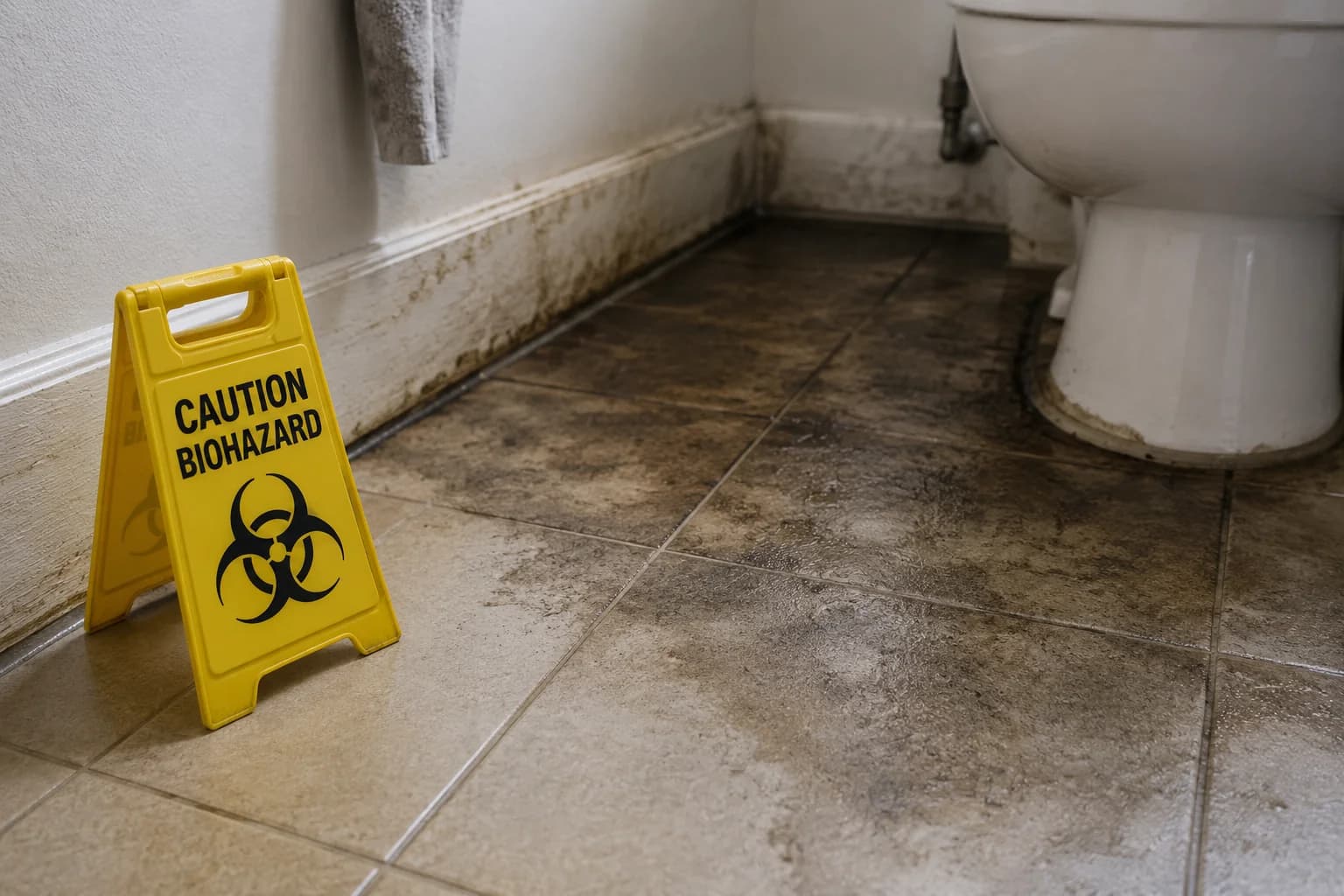
Sewage backup can expose people to contaminated water. Keep people and pets out, avoid contact and electrical hazards, and arrange qualified source repair and cleanup before using the affected space.
Keep it handy
A free printable for this guide
Save a copy for your fridge or binder. No email needed.
Water damage: first steps
A calm, safety-first checklist for a leak, burst pipe, flood or sewage backup.
Read the checklist online
Keep this where everyone can find it. Check off only the steps that are safe for your situation.
Immediate danger? Get out and call 911. Stay out of floodwater, sewage and rooms with electrical or structural hazards.
1 / Keep people safe
- Move people and pets away from the affected area. Follow evacuation instructions.
- Do not touch wet outlets, appliances or electrical panels. Have a qualified professional make the area safe.
2 / Get the right help
- For a plumbing leak, close the known water shutoff only if you can reach it safely from a dry area.
- Call a plumber for the source and a restoration team for the damage. Tell them if sewage or floodwater is involved.
- Wait for professional advice before using fans, equipment or opening walls when contamination is possible.
3 / Start a simple record
- From a safe area, note when the damage was discovered and which rooms are affected.
- Photograph what you can safely see. Contact your insurer and keep receipts and call notes.
Space to fill in
- Water shutoff location
- Plumber / emergency number
- Damage found: date / time
- Restoration visit / next step
Reference guidance
Make it your own
Keep the details together
Damage documentation organizer
Record what happened, follow room-by-room photo prompts and export notes and photos in one organized record.
Start your damage recordQuick Answer: Sewage backup is a serious health emergency containing bacteria (E. coli, Salmonella), viruses (Hepatitis A, Norovirus), parasites, and toxic chemicals. Do not touch or walk through sewage without protective equipment. Immediately evacuate children, elderly, and immunocompromised family members. Turn off HVAC to prevent airborne contamination. Call a professional restoration company—never attempt DIY cleanup of sewage. All porous materials contacted by sewage (carpet, padding, drywall, insulation) must be removed and disposed of. Insurance covers sewage backup only if you have the optional endorsement ($40-$75/year). Call Save The Day Restoration at (562) 246-9908 for 24/7 sewage cleanup across LA and Orange County.
Why Is Sewage Backup Classified as a Health Emergency?
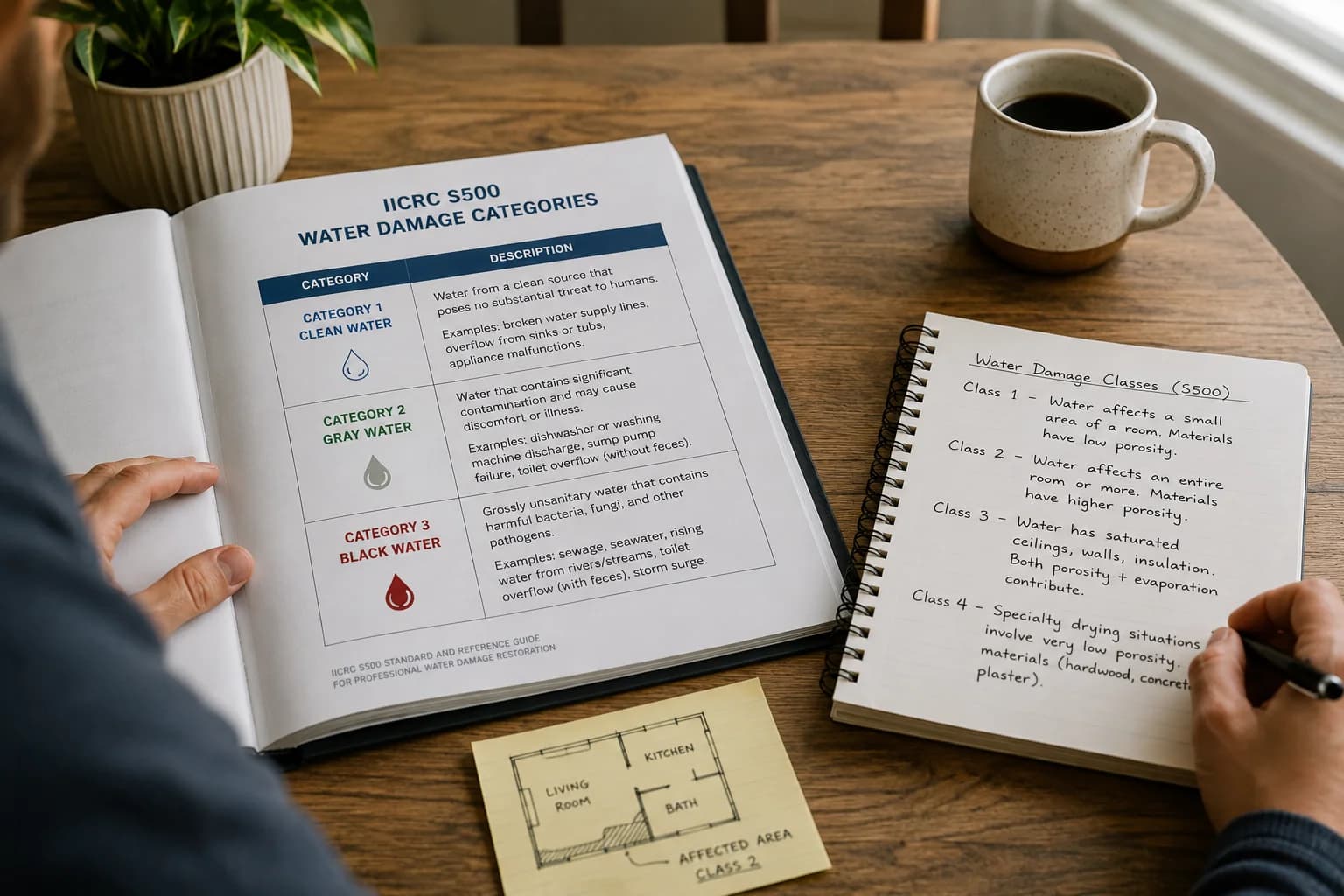
Sewage backup—classified as Category 3 or "black water" by the IICRC—is the most hazardous type of water damage a home can experience. Unlike clean water from a burst supply line (Category 1) or gray water from a washing machine overflow (Category 2), sewage contains concentrated biological contaminants that pose immediate health risks to anyone exposed.
The biological hazards in raw sewage include pathogenic bacteria such as E. coli, Salmonella, Shigella, Campylobacter, and Clostridium; viruses including Hepatitis A, Norovirus, Rotavirus, and Adenovirus; parasites like Giardia, Cryptosporidium, and roundworm; fungi and mold spores that colonize sewage-contaminated materials rapidly; and chemical contaminants including household chemicals, pharmaceuticals, pesticides, and industrial pollutants that enter the sewer system.
These pathogens can cause gastroenteritis (severe vomiting and diarrhea), hepatitis, respiratory infections, skin infections and rashes, eye infections, parasitic illness, and in immunocompromised individuals, potentially life-threatening systemic infections.
At Save The Day Restoration, we treat every sewage backup as a biohazard requiring full PPE, containment, and decontamination protocols. Our IICRC-certified technicians are trained specifically in Category 3 water damage response—this is not a cleanup that any homeowner should attempt themselves.
What Should You Do Immediately During a Sewage Backup?
How Do You Protect Your Family?
Evacuate everyone from the affected area immediately. Do not walk through sewage—the biological load means even brief skin contact can transmit pathogens. Keep children and pets completely away from contaminated areas. If anyone has had direct contact with sewage, wash thoroughly with antibacterial soap and warm water. Seek medical attention if sewage was ingested, entered eyes or ears, or contacted open wounds.
What Should You Turn Off?
HVAC system: Turn off your heating and air conditioning immediately. If sewage has contacted any HVAC components (return vents, ductwork), the system will circulate contaminated air throughout your home, spreading biological hazards to every room.
Electricity: If sewage is near electrical outlets, appliances, or your electrical panel, turn off power at the main breaker. Do not step in standing sewage to reach the breaker—call an electrician or your utility company.
Water supply: If the backup is caused by a sewer line blockage (the most common cause), shutting off water prevents additional flow into the sewer system that could worsen the backup.
What Should You NOT Do?
Do not attempt to clean up sewage yourself without professional PPE and training. Do not use household fans to dry the area—this spreads contaminated aerosols. Do not use bleach as a primary disinfectant on porous materials—it doesn't penetrate deeply enough. Do not flush toilets or run water until the sewer line blockage is resolved. Do not use a regular vacuum or shop vac on sewage—these are not designed for biohazard material and will become permanently contaminated.
What Causes Sewage Backup in Southern California Homes?
How Do Sewer Line Blockages Cause Backups?
The most common cause of residential sewage backup is a blockage in the lateral sewer line—the pipe connecting your home to the city sewer main. Blockages result from tree root intrusion (roots enter through joints and cracks, growing into dense masses that block flow), buildup of grease, soap, and debris over years of use, collapsed or broken pipe sections (common in older clay and cast iron pipes), foreign objects flushed into the system, and settling or ground movement that creates low spots (bellies) where solids accumulate.
In LA and Orange County, tree root intrusion is particularly common. The combination of large established trees, older clay sewer pipes, and expansive soils that shift pipe joints creates ideal conditions for root penetration.
How Do Municipal Sewer Problems Cause Backups?
City sewer main overflows can force sewage back through lateral lines into homes. This occurs during heavy rainstorms that overwhelm combined sewer systems, main line blockages or collapses, pump station failures, and construction or infrastructure work that disrupts service. Municipal-caused backups may affect multiple homes on the same street and can involve particularly large volumes of sewage.
Why Must All Porous Materials Be Removed After Sewage Contact?
Unlike Category 1 water damage where many materials can be saved through professional drying, Category 3 sewage contamination requires complete removal of all porous materials. There are no exceptions to this standard—the IICRC S500 protocol is absolute for sewage-contaminated porous materials.
Materials that must be removed include carpet and carpet padding in all affected areas, drywall to a minimum of 24 inches above the visible contamination line (sewage wicks upward), baseboards and trim in affected areas, insulation (fiberglass, cellulose, or spray foam) contacted by sewage, particleboard, MDF, and engineered wood products, upholstered furniture, mattresses, and bedding, and any paper products, cardboard, or fabric items.
These materials cannot be adequately decontaminated because sewage pathogens penetrate deep into porous substrates where no cleaning or disinfecting agent can reach them. Even after surfaces appear clean, biological contamination persists inside the material, creating ongoing health risks and odor problems.
What Does Professional Sewage Cleanup Involve?
How Is Containment Established?
Professional crews establish containment around the affected area using polyethylene barriers and negative air pressure—similar to mold remediation containment. This prevents cross-contamination to clean areas of the home. HEPA-filtered air scrubbers run continuously to capture airborne pathogens and particles.
How Is Sewage Extracted and Materials Removed?
Truck-mounted or portable extraction equipment removes standing sewage. All contaminated porous materials are cut out, bagged in biohazard-rated bags, and removed for proper disposal. Workers in full PPE (Tyvek suits, P100 respirators, face shields, rubber boots, and double gloves) perform all extraction and demolition work within the containment zone.
How Are Remaining Surfaces Decontaminated?
After contaminated materials are removed, all remaining hard surfaces (concrete slab, wood framing, subfloor) are cleaned and decontaminated using a multi-step process: physical cleaning to remove visible contamination, application of EPA-registered hospital-grade antimicrobial and disinfectant agents, HEPA vacuuming of all surfaces after treatment, and ATP (adenosine triphosphate) testing or microbial swab testing to verify decontamination effectiveness.
How Is the Area Dried After Sewage Cleanup?
Professional structural drying follows decontamination: commercial dehumidifiers reduce humidity below 50%, air movers promote evaporation from remaining building materials, and daily moisture monitoring continues until all materials reach target moisture levels. This drying phase prevents secondary mold growth on the cleaned structural surfaces.
Does Insurance Cover Sewage Backup?
This is critically important: standard homeowner policies do NOT cover sewage backup damage. Coverage requires a separate "sewer and drain backup" endorsement that must be added to your policy before the event occurs.
Sewer backup endorsements typically cost $40-$75 per year for $10,000-$25,000 in coverage. Given the average sewage cleanup cost of $7,000-$15,000+ in LA and Orange County, this endorsement is one of the most cost-effective insurance additions available.
If the sewage backup was caused by a municipal sewer system failure (city main overflow), you may be able to file a claim against the municipality. Document everything thoroughly and contact a property damage attorney if the city's sewer system caused the backup.
How Do You Prevent Sewage Backup?
Have your sewer lateral line inspected with a camera every 2-3 years (annually if you have mature trees near the line). Install a backwater prevention valve—this one-way valve allows sewage to exit your home but prevents it from flowing back in. Clear tree roots professionally if camera inspection reveals intrusion. Avoid pouring grease down drains (grease solidifies and creates blockages). Use enzyme-based drain maintenance products monthly. Know the location of your sewer cleanout (usually a capped pipe near the front of your house or in the garage).
FAQ: Sewage Backup
Q: Can I clean up a small sewage backup myself?
A: No. Even small sewage backups involve Category 3 biological contaminants that require professional PPE, extraction equipment, and decontamination protocols. The health risk from improper exposure to sewage pathogens is serious—professional cleanup is not optional.
Q: How long does professional sewage cleanup take?
A: Extraction and material removal: 1-2 days. Decontamination and treatment: 1-2 days. Structural drying: 3-5 days. Total timeline: 5-9 days before reconstruction can begin. Larger affected areas or additional complications (mold, extensive material removal) may extend the timeline.
Q: Can my home be safely occupied during sewage cleanup?
A: For contained, single-room backups with proper professional containment, you may be able to remain in unaffected areas. For extensive backups affecting multiple rooms, HVAC contamination, or sewage on multiple levels, temporary relocation is recommended until decontamination is complete and verified.
Q: What illnesses can sewage exposure cause?
A: Common illnesses include gastroenteritis (nausea, vomiting, diarrhea), Hepatitis A, E. coli infection, Salmonella infection, respiratory infections from airborne pathogens, and skin infections. Immunocompromised individuals, children, and the elderly face the highest risk of serious illness. Seek medical attention after any direct sewage exposure.
Q: How much does sewage cleanup cost?
A: Professional sewage cleanup in LA and Orange County typically costs $3,000-$7,000 for small, contained backups (single room) and $7,000-$20,000+ for extensive backups affecting multiple rooms requiring significant material removal and reconstruction. Costs depend on the area affected, materials requiring removal, and the extent of decontamination needed.
Q: Does Save The Day Restoration provide 24/7 sewage backup response?
A: Yes. Sewage backups are health emergencies requiring immediate professional response. We respond 24/7 with full biohazard PPE, truck-mounted extraction, EPA-registered decontamination agents, and HEPA air filtration. We serve all of LA and Orange County with response timing confirmed when you call.
Don't Risk Your Health—Call Professionals Immediately
Sewage backup is not a DIY cleanup situation. The biological hazards are serious, and improper cleanup can expose your family to dangerous pathogens while failing to adequately decontaminate your home.
Call Save The Day Restoration at (562) 246-9908 the moment sewage backup occurs. Our IICRC-certified technicians respond 24/7 with professional biohazard equipment, EPA-registered decontamination agents, and complete structural restoration. Direct insurance billing available. Licensed general contractor #1049188 serving LA and Orange County.
How we prepare and update our guides
Related serviceAdditional ServicesBoard-up, cleaning & specialty workAbout Save The Day Restoration
Save The Day Restoration is a locally owned, IICRC-certified restoration and reconstruction company serving all of Los Angeles and Orange County. The team coordinates water, fire, and mold restoration and reconstruction, including specialist work when needed. Licensed (CSLB #1049188), bonded, and insured, with 24/7 emergency response.
Call (562) 246-9908