
HVAC Leak Water Damage
HVAC leak water damage restoration addresses water intrusion from failed condensate drain lines, overflowing drain pans, frozen evaporator coils, and ductwork condensation in residential and commercial HVAC systems through water extraction, structural drying, and system repair.
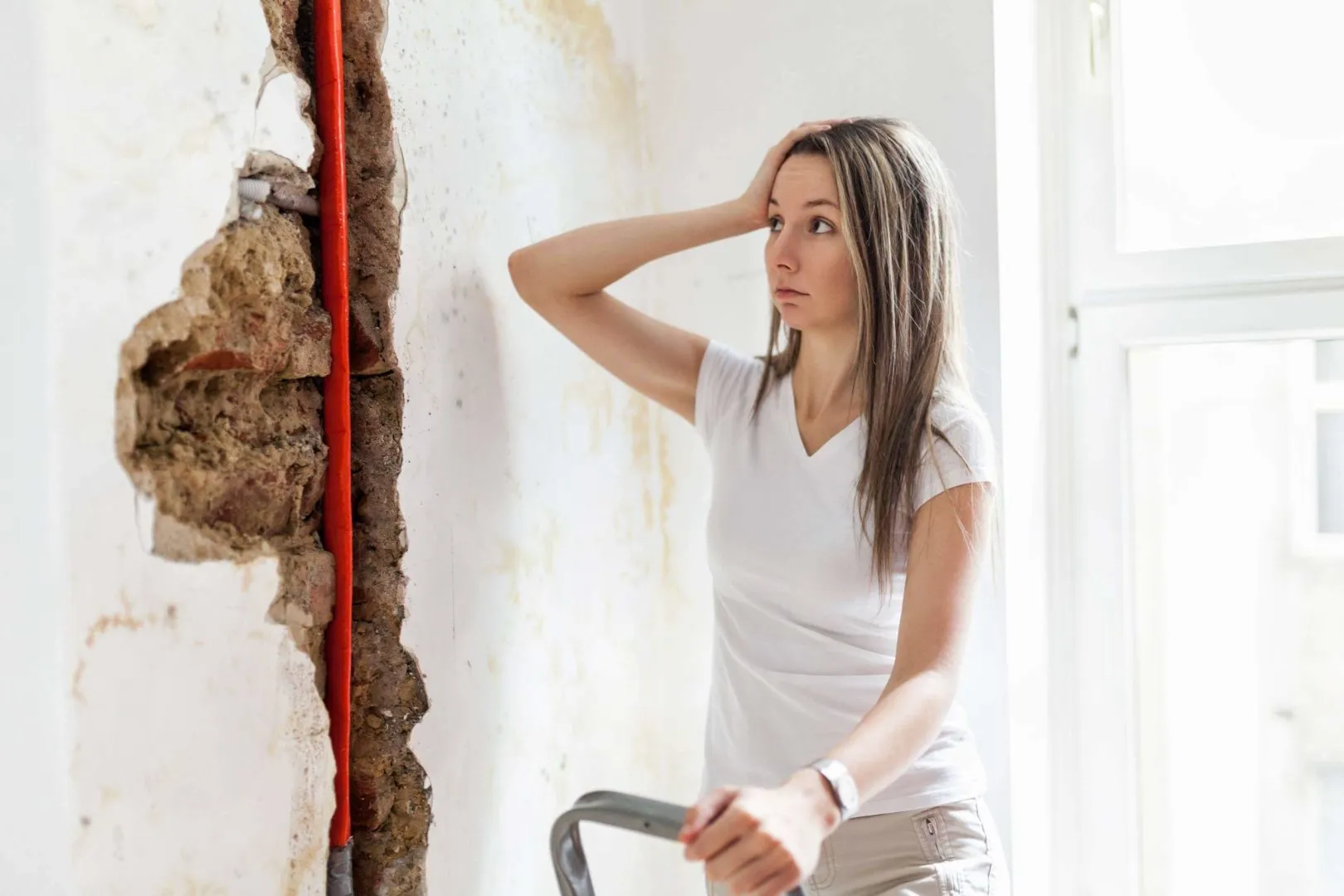
HVAC Leak Water Damage Restoration in Los Angeles & Orange County
Quick Answer: HVAC systems are one of the most overlooked sources of water damage in Southern California homes. Air conditioning units produce 5-20 gallons of condensate daily during summer operation. When condensate drain lines clog, drain pans crack, or evaporator coils freeze and thaw, this water overflows into attics, ceiling cavities, utility closets, and wall systems—causing hidden damage that often goes undetected for weeks. HVAC leak restoration includes water extraction, removal of saturated insulation and drywall, structural drying, mold remediation (HVAC leaks are among the top causes of attic mold), and complete reconstruction. Save The Day Restoration provides HVAC water damage restoration throughout LA and Orange County. Call (562) 246-9908.
Why Do HVAC Systems Cause Water Damage?
Every air conditioning system is a dehumidifier. As warm air passes over cold evaporator coils, moisture condenses on the coils and drips into a drain pan below. This condensate flows through a drain line to the exterior of the home or to a plumbing connection. In Southern California's summer heat, a residential AC system can produce 5-20 gallons of condensate per day—more during humid periods. That's 150-600 gallons per month flowing through a system that most homeowners never inspect.
The drain system handling this water is simple but failure-prone. Drain pans are typically sheet metal that corrodes over time or plastic that can crack. Drain lines are small-diameter PVC or copper that clog with algae, dust, and debris. When any component fails, gallons of water per day have nowhere to go except into your home's structure.
What makes HVAC leaks particularly destructive is location. Most Southern California homes have HVAC air handlers in attics, closets, or above-ceiling mechanical spaces. When condensate overflows in an attic, water saturates insulation, soaks ceiling drywall from above, and runs along framing to damage areas far from the unit. Because homeowners rarely inspect attics, this damage can progress for weeks or months before ceiling stains, dripping, or mold odors alert anyone to the problem.
Common Causes of HVAC Water Damage
Clogged Condensate Drain Lines
The most common HVAC leak cause. Condensate drain lines accumulate algae, mold, dust, and debris over time, gradually restricting flow until the line clogs completely. Once clogged, condensate backs up into the drain pan, overflows, and enters the attic or mechanical space. Regular drain line maintenance (flushing with vinegar or bleach solution every 3-6 months) prevents most clogs, but few homeowners perform this maintenance.
Cracked or Corroded Drain Pans
The primary drain pan beneath the evaporator coil catches condensate and directs it to the drain line. Over years, metal pans corrode from constant moisture contact, and plastic pans can crack from thermal cycling. A compromised drain pan leaks directly onto whatever surface is below—attic framing, ceiling drywall, or closet flooring. Secondary (overflow) drain pans are code-required in many installations but are often missing, improperly installed, or have their own clogged drain lines.
Frozen Evaporator Coils
When airflow across evaporator coils is restricted (dirty air filter, blocked return, failing blower motor), or when refrigerant levels are low, the coils can freeze into a solid block of ice. When the system cycles off or the ice melts, the resulting water overwhelms the drain pan's capacity. A single freeze-thaw event can release 5-15 gallons rapidly. Repeated freeze events cause cumulative damage.
Disconnected or Damaged Drain Lines
Drain lines can become disconnected at joints, cracked from physical impact, or damaged during attic work (insulation installation, electrical work, pest control). A disconnected drain line dumps condensate directly into the attic or ceiling cavity—potentially for an entire cooling season before detection.
Ductwork Condensation
Poorly insulated ductwork running through hot attics sweats when cold air passes through. This condensation drips onto insulation and ceiling drywall below the ducts. While less dramatic than a drain line failure, duct condensation creates chronic low-level moisture that promotes mold growth across large attic areas.
What Are the Warning Signs of HVAC Water Damage?
HVAC leaks are among the hardest to detect early because the damage occurs in concealed spaces. Warning signs include ceiling stains (brown or yellow discoloration) near HVAC supply registers or in rooms below the air handler location, dripping water from ceiling fixtures, registers, or recessed lights, musty or moldy odors when the AC runs (mold spores distributed through ductwork), reduced AC efficiency (restricted airflow from saturated insulation around ductwork), water stains on walls near HVAC closets or utility areas, and visible water in the secondary drain pan (if accessible). If your AC runs but you notice water, odors, or stains, turn off the system and call for inspection. Continued operation pumps more condensate into an already failing drain system.
What Does HVAC Leak Restoration Include?
HVAC System Assessment
The restoration begins by identifying and stopping the water source. The HVAC drain system is inspected: drain line tested for clogs and flow, drain pans inspected for cracks and corrosion, evaporator coils checked for ice damage, and ductwork inspected for condensation damage. The leak source is repaired or the system is shut down until HVAC service can be completed.
Attic and Ceiling Assessment
Thermal imaging from below maps moisture patterns in the ceiling. Attic inspection identifies the full extent of saturated insulation, wet framing, and affected decking. Because condensate leaks can run along framing for considerable distances, the affected area often extends well beyond the area directly beneath the HVAC unit. Moisture meters verify moisture content in all suspect materials.
Insulation and Material Removal
Saturated attic insulation is removed—wet insulation loses all thermal value and holds moisture against structural materials, accelerating mold growth and wood deterioration. Damaged ceiling drywall is removed to expose cavities for inspection and drying. In severe cases where mold has colonized attic framing, extensive surface area may require treatment.
Mold Remediation
HVAC leaks are one of the top causes of attic mold in Southern California. The combination of warm attic temperatures, chronic moisture from condensate, and organic building materials creates ideal mold conditions. If mold is present (it frequently is with HVAC leaks that have run for more than a few weeks), full remediation is performed: containment, HEPA air filtration, aggressive surface cleaning of colonized framing, antimicrobial treatment, and post-remediation verification testing.
Structural Drying
Commercial dehumidifiers and air movers dry exposed framing, decking, and remaining materials. Attic drying requires careful equipment placement to address the large, open space effectively. Drying typically takes 5-10 days for HVAC leak events, longer if the leak was chronic. Daily moisture monitoring confirms progress.
Reconstruction
New insulation is installed meeting current Title 24 energy requirements (an upgrade opportunity—many older homes are under-insulated). Ceiling drywall is replaced with texture matching, painting, and any fixture or trim work. HVAC drain system repairs or upgrades are completed—including new drain pans, cleared or rerouted drain lines, and secondary safety switches that shut down the AC if water is detected in the overflow pan.
How Much Does HVAC Leak Restoration Cost?
Small leak caught early (limited insulation damage, one ceiling area): $2,000-$5,000. Moderate leak (extensive insulation replacement, multiple ceiling areas): $5,000-$15,000. Major chronic leak with attic mold (remediation plus reconstruction): $15,000-$35,000+. Ductwork condensation damage (widespread insulation and ceiling damage): $8,000-$20,000. HVAC system repair (drain line, pan, coil service) adds $200-$1,500 depending on the failure.
Does Insurance Cover HVAC Water Damage?
Coverage depends on the nature of the failure. Sudden HVAC failures—a drain pan crack, sudden line clog, frozen coil event—are typically covered as accidental water damage under standard homeowner's policies. The resulting water damage, mold remediation, insulation replacement, and ceiling reconstruction are covered expenses.
Gradual or maintenance-related failures may face coverage challenges. An insurer may argue that a slowly deteriorating drain pan or a drain line that has been partially clogged for months constitutes a maintenance issue rather than a sudden event. Documentation of the failure mechanism is important—Save The Day Restoration provides detailed assessment reports that characterize the failure for your insurance claim.
The HVAC repair itself (clearing the drain line, replacing the pan, fixing the coil) is generally not covered as it's considered maintenance. However, all resulting damage from the failure is covered if the event is classified as sudden and accidental.
How to Prevent HVAC Water Damage
Schedule annual HVAC maintenance including condensate drain line flushing. Replace air filters every 1-3 months to prevent coil freeze events. Install a float switch or wet switch on the drain pan that shuts off the AC if water is detected. Inspect the secondary drain pan seasonally (if accessible). Ensure attic ductwork is properly insulated to prevent condensation. Clear vegetation and debris from exterior drain line termination points. Consider installing a condensate pump if gravity drainage is unreliable.
HVAC leak water damage is one of our most frequent service calls during Southern California's extended cooling season, when air conditioning systems run nearly continuously. We respond regularly in Glendale, Pasadena, and Santa Clarita, where summer temperatures routinely exceed 100 degrees and push HVAC condensate production to its limits. Homes in Fullerton and Buena Park with original 1960s ductwork and drain pans are especially susceptible to overflow failures. Coastal humidity in Costa Mesa and Long Beach increases condensation volume and accelerates drain line algae buildup, making these areas consistent sources of HVAC-related water damage calls.
FAQ: HVAC Leak Water Damage
Q: How do I know if my AC is leaking water?
A: Signs include ceiling stains near AC registers or below the air handler, water dripping from ceiling fixtures, musty odors when the AC runs, and water visible in the secondary drain pan. If you notice any of these, turn off the AC and call for professional inspection to prevent further damage.
Q: Why does my AC produce so much water?
A: Air conditioning works by removing humidity from indoor air. In Southern California summers, a residential AC system can produce 5-20 gallons of condensate daily. This is normal—the drain system must be maintained to handle this volume. Problems occur when the drain system clogs, cracks, or becomes disconnected.
Q: Can HVAC leaks cause mold in my attic?
A: Yes. HVAC condensate leaks are one of the most common causes of attic mold in Southern California. The warm attic environment, chronic moisture from condensate, and organic building materials create ideal conditions for mold colonization. Chronic HVAC leaks almost always result in mold growth on attic framing.
Q: Does insurance cover HVAC leak damage?
A: Sudden HVAC failures causing water damage are typically covered. Coverage includes water damage restoration, mold remediation, insulation replacement, and ceiling reconstruction. The HVAC repair itself is generally not covered. Gradual failures may face coverage challenges—documentation of the failure as sudden is important for your claim.
Q: How often should HVAC drain lines be cleaned?
A: Every 3-6 months during cooling season is recommended. Pour a cup of white vinegar or diluted bleach into the drain line access point to kill algae and clear buildup. Annual professional HVAC maintenance should include thorough drain line flushing, drain pan inspection, and coil cleaning.
Our HVAC Leak Restoration Process Includes:
01
HVAC System Assessment & Leak Source Identification
Our technicians inspect your HVAC system to identify the leak source, whether from a cracked drain pan, clogged condensate line, or failed connection. Pinpoint diagnosis prevents repeat failures.
02
Thermal Imaging Moisture Mapping from Below
Thermal cameras map moisture migration from the leak point through ceiling cavities and wall spaces below. HVAC leaks often cause hidden damage far from the visible water stain.
03
Attic Inspection & Damage Documentation
Thorough attic inspection documents damage to insulation, framing, and stored items. We identify all affected materials including those not visible from below.
04
Saturated Insulation & Drywall Removal
Water-saturated insulation and drywall are removed to expose structural framing. Wet insulation loses its R-value and becomes a breeding ground for mold within days.
05
Mold Remediation with HEPA Containment
If mold growth has begun, full containment and HEPA remediation protocols are followed. HVAC leaks in warm attic spaces create ideal conditions for rapid mold colonization.
06
Commercial Structural Drying & Dehumidification
Commercial dehumidifiers and air movers target attic and ceiling cavity spaces. These enclosed areas require longer drying times and careful monitoring to reach safe moisture levels.
07
New Insulation & Ceiling Reconstruction
New insulation is installed to current Title 24 energy standards. Ceilings are reconstructed with drywall, texture matching, and paint to restore your interior.
08
HVAC Drain System Repair & Safety Upgrades
The HVAC drain system is repaired with properly sloped drain lines, secondary drain pans, and overflow sensors. These upgrades prevent the same leak from recurring.
What we handle
Specialized services for your specific damage

Water Extraction Services
Emergency water extraction using truck-mounted and portable commercial equipment for rapid water removal from flooded properties

Water Damage Restoration
24/7 emergency water extraction, structural drying, and complete restoration for homes and businesses across LA & Orange County

Storm Damage Restoration
Emergency storm damage restoration for wind, rain, and weather-related property damage across Southern California

Slab Leak Detection & Repair
Professional slab leak detection and water damage restoration for Southern California homes built on concrete slab foundations

Roof Leak Damage Repair
Professional roof leak water damage restoration including detection, extraction, drying, and ceiling/wall repair across LA & Orange County

HVAC Leak Water Damage
Water damage restoration from AC condensate line failures, HVAC drain pan overflows, and ductwork leaks
We work with all major insurance carriers






CITIES WHERE THIS SERVICE IS AVAILABLE
Same certified technicians, same fast response — wherever you are in LA or Orange County. Select your city to see local details and schedule service.

WHERE WE OFFER THIS SERVICE
24/7 emergency response across Los Angeles and Orange County. Click your city for local service details and response times.

Common Questions
Common questions about this service
Signs include ceiling stains near AC registers or below the air handler, water dripping from ceiling fixtures, musty odors when the AC runs, and water visible in the secondary drain pan. If you notice any of these, turn off the AC and call for professional inspection to prevent further damage.
Air conditioning works by removing humidity from indoor air. In Southern California summers, a residential AC system can produce 5-20 gallons of condensate daily. This is normal—the drain system must be maintained to handle this volume. Problems occur when the drain system clogs, cracks, or becomes disconnected.
Yes. HVAC condensate leaks are one of the most common causes of attic mold in Southern California. The warm attic environment, chronic moisture from condensate, and organic building materials create ideal conditions for mold colonization. Chronic HVAC leaks almost always result in mold growth on attic framing.
Sudden HVAC failures causing water damage are typically covered. Coverage includes water damage restoration, mold remediation, insulation replacement, and ceiling reconstruction. The HVAC repair itself is generally not covered. Gradual failures may face coverage challenges—documentation of the failure as sudden is important for your claim.
Every 3-6 months during cooling season is recommended. Pour a cup of white vinegar or diluted bleach into the drain line access point to kill algae and clear buildup. Annual professional HVAC maintenance should include thorough drain line flushing, drain pan inspection, and coil cleaning.
Need more answers?
Reach out anytime
Damage is happening right now
Call (562) 246-9908 now. Licensed #1049188. IICRC certified. We're dispatching immediately.
