
Roof Leak Damage Repair
Roof leak damage repair addresses water intrusion from failed roofing materials, damaged flashing, storm damage, and aged roof systems through leak detection, water extraction, structural drying, mold prevention, and restoration of damaged ceilings, walls, and insulation.
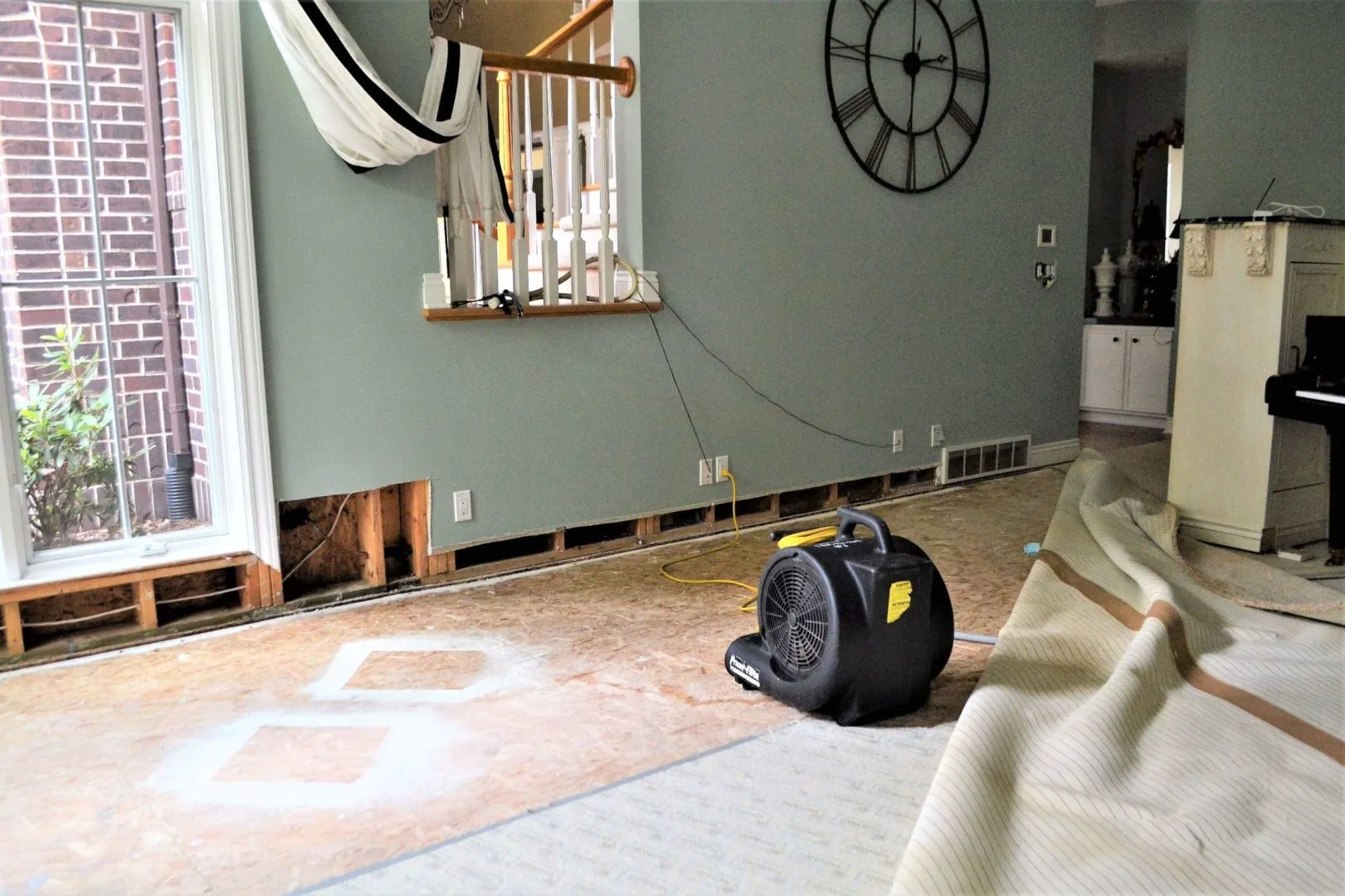
Roof Leak Water Damage Restoration in Los Angeles & Orange County
Quick Answer: Roof leaks cause water damage that is often far more extensive than the visible stain on your ceiling suggests. Water enters through damaged roofing materials, travels along rafters, sheathing, and insulation—sometimes 10-20 feet from the entry point—before penetrating ceilings and walls where you finally see it. Professional roof leak damage repair includes emergency tarping, water extraction, moisture mapping with thermal imaging, removal of saturated insulation and drywall, structural drying, mold prevention, and complete ceiling and wall reconstruction. Save The Day Restoration provides 24/7 roof leak emergency response throughout LA and Orange County. Call (562) 246-9908.
Why Is Roof Leak Damage Often Worse Than It Looks?
The ceiling stain you see is the tip of the iceberg. By the time water penetrates through roofing materials, decking, insulation, and drywall to create a visible stain or drip, it has typically been migrating through your attic and ceiling cavity for days or weeks. Water follows the path of least resistance—running along the top of ceiling joists, pooling on drywall from above, and saturating insulation across a wide area before finding a penetration point to drip through.
A single ceiling stain the size of a dinner plate can represent 50-100+ square feet of saturated attic insulation above it. That saturated insulation is holding water against your ceiling drywall, wood framing, and roof decking—creating ideal conditions for mold growth, wood rot, and progressive structural deterioration. Homeowners who address only the visible stain without investigating and treating the full extent of moisture above the ceiling frequently discover mold contamination months later.
What Causes Roof Leaks in Southern California?
Aging Roofing Materials
Asphalt shingle roofs common throughout LA and Orange County have a 20-30 year lifespan, but Southern California's intense UV exposure accelerates degradation. Shingles curl, crack, and lose granules faster in direct sunlight, creating gaps where water enters during rain. Tile roofs—concrete and clay—last longer but rely on underlayment that deteriorates over 20-30 years. When the underlayment fails, water passes through gaps between tiles that were never designed to be fully waterproof without it.
Failed Flashing
Flashing—the metal or rubberized material sealing joints where the roof meets walls, chimneys, vents, skylights, and other penetrations—is the most common failure point on otherwise sound roofs. Flashing expands and contracts with temperature changes, eventually pulling away from surfaces, cracking, or corroding. These small gaps are invisible from the ground but allow water entry during every rain event. Chimney flashing, skylight flashing, and wall-to-roof transitions are the most common failure points.
Storm and Wind Damage
Santa Ana winds, which regularly exceed 40-60+ mph in Southern California, lift, crack, and displace roofing materials. Even one displaced shingle or tile creates an entry point for water. Storm damage may not be obvious from ground level—a partially lifted shingle that lays back down after wind passes can leak for years before the damage becomes apparent inside.
Poor Ventilation and Condensation
Inadequate attic ventilation traps heat and moisture, accelerating underlayment deterioration and creating condensation on the underside of roof decking. This condensation drips onto insulation and ceiling joists, mimicking a roof leak. Bathroom exhaust fans venting into the attic (rather than to the exterior) are a particularly common cause of moisture damage that appears as a roof leak.
Valley and Low-Slope Failures
Roof valleys—where two roof planes meet—concentrate water flow and are vulnerable to debris accumulation, underlayment failure, and improper original installation. Low-slope sections of residential roofs (common on additions, porches, and modern architectural designs) are especially prone to ponding water that finds or creates entry points.
What Are the Warning Signs of a Roof Leak?
Catching a roof leak early dramatically reduces restoration costs. Warning signs include water stains on ceilings (brown or yellow discoloration), peeling or bubbling paint on ceilings or upper walls, damp spots or soft areas on ceilings (press gently—if the drywall gives, moisture is present above), musty odors in specific rooms or areas (particularly after rain), visible mold growth on ceilings or upper wall corners, dripping water during or after rainfall, and water stains in the attic on rafters, decking, or insulation. If you notice any of these signs, call for professional assessment before the next rain event. A small roof leak addressed promptly is a $2,000-$5,000 repair. The same leak left through a rainy season can become a $15,000-$30,000+ restoration with mold remediation.
What Does Roof Leak Damage Restoration Include?
Emergency Roof Tarping
If the leak is active and rain is ongoing or expected, emergency tarping is the critical first step. Heavy-duty tarps are secured over the damaged roof area, extending well beyond the damage to ensure water runoff away from the compromised section. Proper tarping prevents further water intrusion while restoration and permanent roof repair are planned. Emergency tarping is covered by insurance as part of your duty to mitigate further damage.
Comprehensive Moisture Assessment
Thermal imaging cameras scan ceilings and walls from below to map moisture patterns invisible to the naked eye. Attic inspection identifies the water entry point, the path water traveled, and the full extent of affected insulation, framing, and decking. Calibrated moisture meters measure moisture content in every affected material. This assessment often reveals damage extending far beyond the visible ceiling stain—critical information for both proper restoration and accurate insurance documentation.
Insulation and Material Removal
Saturated attic insulation is removed—wet insulation loses its R-value completely and holds moisture against structural materials, promoting mold and wood rot. Damaged ceiling drywall is removed to expose the cavity above for inspection, drying, and treatment. If water has traveled into wall cavities, affected wall sections are opened as well. Removal creates access for structural inspection and airflow paths for drying.
Structural Drying
Exposed roof decking, rafters, ceiling joists, and any affected wall framing are dried with commercial dehumidifiers and air movers until calibrated moisture meters confirm target levels are achieved. Roof leak drying can take 3-7 days depending on the extent of moisture penetration and how long the leak was active before discovery. Wood framing that has been wet for extended periods is inspected for structural integrity—prolonged moisture exposure can compromise load-bearing capacity.
Mold Prevention and Remediation
Antimicrobial treatments are applied to all exposed structural surfaces. If mold is discovered during material removal (common when leaks have been active for weeks or months), full mold remediation is performed before reconstruction. Attic mold from chronic roof leaks is one of the most common mold remediation scenarios in Southern California homes.
Reconstruction and Roof Repair
Reconstruction includes new insulation meeting current Title 24 energy requirements, drywall installation with texture matching, painting, and any trim or fixture work affected. The roof itself requires permanent repair—replacing damaged shingles or tiles, reflashing penetrations, or addressing the underlying cause of the leak. Save The Day Restoration coordinates both interior restoration and roof repair as one project.
How Much Does Roof Leak Damage Restoration Cost?
Small leak caught early (one ceiling area, limited insulation damage): $2,000-$5,000. Moderate leak (multiple ceiling areas, extensive attic insulation replacement, wall involvement): $5,000-$15,000. Major leak or chronic leak with mold (extensive structural drying, mold remediation, large-area reconstruction): $15,000-$40,000+. Costs do not include permanent roof repair, which ranges from $500-$2,000 for targeted repairs to $8,000-$25,000+ for significant re-roofing.
Does Insurance Cover Roof Leak Damage?
Insurance coverage for roof leak damage depends on the cause of the leak. Sudden events—storm damage, fallen tree limbs, wind-displaced roofing materials—are covered perils under standard homeowner's policies. Coverage includes emergency tarping, interior water damage restoration, mold prevention, and reconstruction.
Gradual deterioration—aging materials, deferred maintenance, and long-term wear—is typically NOT covered. If the leak resulted from a 25-year-old roof that simply wore out, the insurer may deny the claim as a maintenance issue. However, if a storm event damaged an otherwise maintained roof, the resulting interior water damage is covered even if the roof had some pre-existing wear.
The key for coverage is documenting that a specific covered event (storm, wind, hail, fallen object) caused or contributed to the leak. Save The Day Restoration provides detailed documentation linking interior damage to covered events for your insurance claim.
How Long Does Roof Leak Restoration Take?
Minor leak damage: 1-2 weeks including drying and repairs. Moderate damage with insulation replacement: 2-4 weeks. Major damage with mold remediation: 4-8 weeks. Timeline depends on the extent of hidden damage discovered during assessment, whether mold remediation is required, and permanent roof repair scheduling.
Roof leak damage is a leading cause of emergency restoration calls throughout the region, especially during California's rainy season from November through March. Our roof leak repair teams are frequently dispatched to Santa Clarita, Pasadena, and Glendale, where hillside homes face intense storm runoff that overwhelms aging roof systems and flashing. Coastal wind-driven rain batters properties in Redondo Beach, Santa Monica, and Seal Beach, where salt air degrades roofing materials faster than inland locations. We also see significant roof leak volume in Alhambra and Bellflower, where flat-roofed mid-century homes develop ponding issues that lead to interior ceiling and wall damage.
FAQ: Roof Leak Damage Restoration
Q: How do I know if my ceiling stain is from a current leak or an old one?
A: Press the stained area gently. If the drywall feels soft, spongy, or gives under pressure, moisture is currently present. A hard, dry stain may be from a previous leak that dried. However, even old stains should be investigated—moisture may still be trapped in the insulation above, and mold can be growing unseen. Professional thermal imaging confirms whether active moisture is present without opening the ceiling.
Q: Can I just paint over a ceiling water stain?
A: No. Painting over a water stain without addressing the moisture above guarantees mold growth, continued structural deterioration, and eventually a far more expensive repair. The stain is a symptom—the problem is saturated insulation, wet framing, and a roof that needs repair. Address the cause first, then restore the ceiling properly.
Q: Does insurance cover roof leak water damage?
A: If the leak was caused by a covered event (storm, wind, hail, fallen tree), interior water damage is typically covered. If the leak resulted from gradual roof deterioration or deferred maintenance, coverage may be denied. Document the cause of the leak and file your claim promptly. Save The Day Restoration provides documentation linking your interior damage to covered events.
Q: How far can water travel from a roof leak before I see it?
A: Water can travel 10-20+ feet along rafters, joists, and the top surface of ceiling drywall before finding a penetration point to drip through. The visible stain on your ceiling may be far from the actual roof entry point. This is why professional thermal imaging assessment of the entire affected area is essential—treating only the visible stain misses the majority of the damage.
Q: Should I go into my attic to check a roof leak myself?
A: Exercise extreme caution. Attic access during or after rain means wet, slippery surfaces. Saturated insulation may be concealing weakened ceiling drywall that cannot support your weight—stepping on wet drywall between joists can result in falling through the ceiling. If you do access the attic, stay on framing members only and use a flashlight to look for water trails on rafters and decking. For safety, professional assessment is recommended.
Our Roof Leak Damage Restoration Process Includes:
01
Emergency Roof Tarping & Property Protection
Emergency roof tarps are installed immediately to stop active water entry into your home. We protect your property and belongings from further rain damage while repairs are planned.
02
Thermal Imaging Moisture Assessment & Leak Tracing
Thermal imaging traces the water path from entry point to damaged areas below. Roof leaks often travel along framing before appearing on ceilings far from the actual breach.
03
Saturated Insulation & Drywall Removal
Water-saturated insulation and drywall are removed to expose structural framing for inspection and drying. Leaving wet materials in place guarantees mold growth within days.
04
Attic & Structural Inspection
Attic framing, roof sheathing, and structural members are inspected for rot, mold, and compromise. We document all findings for your insurance claim and repair plan.
05
Commercial Structural Drying & Dehumidification
Commercial dehumidifiers and targeted air movers dry roof framing, attic spaces, and ceiling cavities. We monitor moisture levels daily until dry standards are achieved.
06
Antimicrobial Treatment & Mold Prevention
Antimicrobial treatments are applied to all exposed wood framing and surfaces. This prevents mold colonization in the warm, damp attic environment common after roof leaks.
07
Insulation Replacement & Ceiling Reconstruction
New insulation is installed to current Title 24 energy standards. Ceilings are reconstructed with drywall, texture matching, and paint to restore your home's interior.
08
Permanent Roof Repair Coordination
We coordinate with qualified roofing contractors to permanently repair the roof failure that caused the leak. The goal is eliminating the problem, not just fixing the symptoms.
What we handle
Specialized services for your specific damage

Flood Damage Restoration
Professional flood damage cleanup and restoration for homes and businesses after natural flooding events in Southern California

Crawl Space Water Damage
Professional crawl space water removal, drying, mold prevention, and encapsulation for homes across LA & Orange County

Burst Pipe Restoration
Emergency burst pipe water damage restoration with rapid extraction, structural drying, and full repair across LA & Orange County

Appliance Leak Water Damage
Water damage restoration from washing machine, dishwasher, water heater, and refrigerator leaks and failures
We work with all major insurance carriers






CITIES WHERE THIS SERVICE IS AVAILABLE
Same certified technicians, same fast response — wherever you are in LA or Orange County. Select your city to see local details and schedule service.


WHERE WE OFFER THIS SERVICE
24/7 emergency response across Los Angeles and Orange County. Click your city for local service details and response times.

Common Questions
Common questions about this service
Press the stained area gently. If the drywall feels soft, spongy, or gives under pressure, moisture is currently present. A hard, dry stain may be from a previous leak that dried. However, even old stains should be investigated—moisture may still be trapped in the insulation above, and mold can be growing unseen. Professional thermal imaging confirms whether active moisture is present without opening the ceiling.
No. Painting over a water stain without addressing the moisture above guarantees mold growth, continued structural deterioration, and eventually a far more expensive repair. The stain is a symptom—the problem is saturated insulation, wet framing, and a roof that needs repair. Address the cause first, then restore the ceiling properly.
If the leak was caused by a covered event (storm, wind, hail, fallen tree), interior water damage is typically covered. If the leak resulted from gradual roof deterioration or deferred maintenance, coverage may be denied. Document the cause of the leak and file your claim promptly. Save The Day Restoration provides documentation linking your interior damage to covered events.
Water can travel 10-20+ feet along rafters, joists, and the top surface of ceiling drywall before finding a penetration point to drip through. The visible stain on your ceiling may be far from the actual roof entry point. This is why professional thermal imaging assessment of the entire affected area is essential—treating only the visible stain misses the majority of the damage.
Exercise extreme caution. Attic access during or after rain means wet, slippery surfaces. Saturated insulation may be concealing weakened ceiling drywall that cannot support your weight—stepping on wet drywall between joists can result in falling through the ceiling. If you do access the attic, stay on framing members only and use a flashlight to look for water trails on rafters and decking. For safety, professional assessment is recommended.
Need more answers?
Reach out anytime
Damage is happening right now
Call (562) 246-9908 now. Licensed #1049188. IICRC certified. We're dispatching immediately.
