
HVAC Mold Remediation
HVAC mold remediation removes mold contamination from air handling units, ductwork, evaporator coils, drain pans, registers, and ventilation components using specialized cleaning, antimicrobial treatment, and HEPA vacuuming to restore clean air distribution throughout the property.
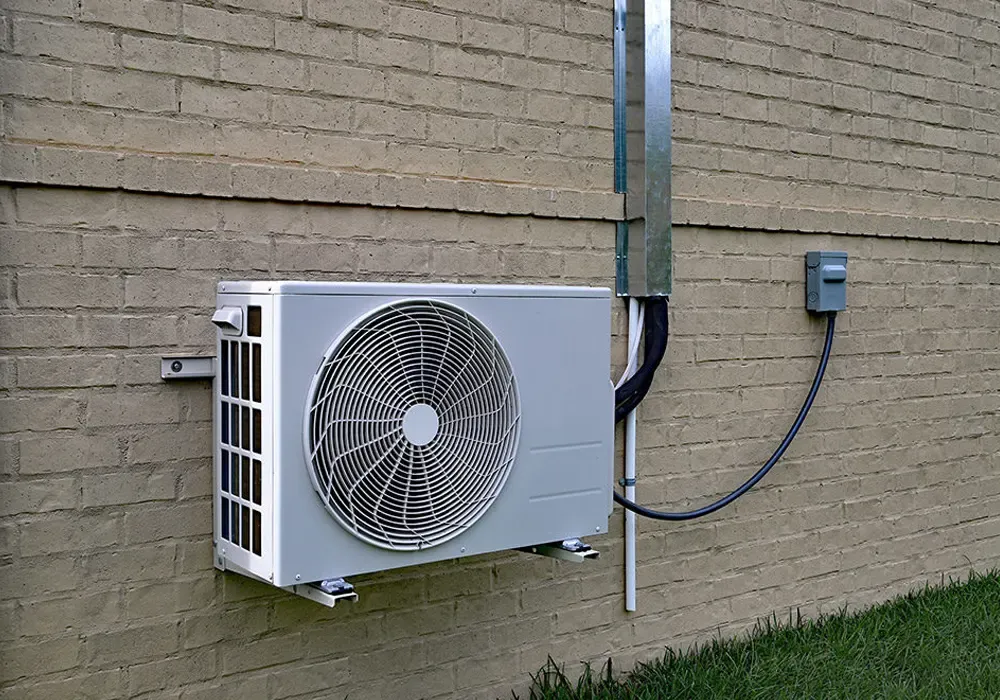
HVAC Mold Remediation in Los Angeles & Orange County
Quick Answer: Your HVAC system can become a mold distribution network—contaminated coils, drain pans, and ductwork spread mold spores to every room every time the system runs. HVAC mold remediation requires system isolation, professional coil and drain pan cleaning, ductwork HEPA vacuuming, antimicrobial treatment, and air quality verification. In Southern California, heavy AC usage combined with marine layer humidity makes HVAC systems particularly vulnerable to mold contamination. Save The Day Restoration provides comprehensive HVAC mold remediation throughout LA and Orange County. Call (562) 246-9908.
Why Is HVAC Mold a Serious Problem?
Your HVAC system moves air through every room in your home—when that system is contaminated with mold, it becomes the most efficient possible distribution mechanism for mold spores. A contaminated air handler pushes spore-laden air through supply ducts into bedrooms, living rooms, kitchens, and every other conditioned space, multiple times per hour.
The health impact is amplified because HVAC-distributed mold exposure is continuous and inescapable during system operation. Unlike a localized mold problem behind one wall—where spore exposure is limited to nearby areas—HVAC contamination exposes every occupant to elevated spore levels throughout the entire home. Symptoms often include chronic respiratory irritation, worsening allergies, persistent coughing, and headaches that intensify when the heating or cooling system runs and improve when the system is off or when occupants leave the home.
The scope problem compounds over time. Mold growing on evaporator coils releases spores directly into the airstream. Those spores deposit on duct interior surfaces, establishing secondary colonies throughout the ductwork. Contaminated supply air raises humidity and deposits spores on wall surfaces, ceiling areas, and furnishings in every room—potentially creating building-wide mold problems that originated from a single contaminated HVAC component.
What Causes Mold in HVAC Systems?
Evaporator Coil Condensation
Air conditioning works by passing warm indoor air over cold evaporator coils. This temperature differential causes moisture in the air to condense on the coil surfaces—the same principle that causes water droplets on a cold glass. In Southern California, where AC systems run extensively from April through October, evaporator coils produce 5-20 gallons of condensate daily. This constant moisture on and around the coils creates ideal conditions for mold colonization. Dust and organic particles that accumulate on coil fins provide the food source mold needs to thrive.
Drain Pan and Condensate Line Issues
Condensate from the evaporator coil collects in a drain pan and flows through a drain line to an exterior discharge point. When drain lines clog—from algae growth, dust buildup, or debris—water backs up into the drain pan and eventually overflows. Standing water in the drain pan is a primary mold incubator. Even without complete blockage, slow-draining lines maintain a persistent moisture film that supports biological growth. In attic-mounted air handlers common throughout Southern California, drain pan overflows saturate surrounding insulation and framing, creating mold problems beyond the HVAC system itself.
Ductwork Condensation
Supply ducts carrying cold air through unconditioned spaces—attics, crawl spaces, and exterior wall cavities—experience condensation on their outer surfaces when surrounding air is warm and humid. Poorly insulated or damaged duct insulation allows this condensation to reach the metal duct surface, creating moisture conditions that support mold growth on both the duct exterior and interior. In Southern California's marine layer zone, attic temperatures can exceed 140°F while ductwork carries 55°F air, creating extreme temperature differentials that stress insulation and promote condensation.
Inadequate Filtration
Air filters that are changed infrequently or rated below MERV 8 allow organic particles, dust, and existing mold spores to pass through to the evaporator coil and ductwork. These particles accumulate on moist coil surfaces, providing food for mold growth. In homes with pets, the combination of pet dander, hair, and organic particles on wet coil surfaces accelerates biological growth significantly.
Post-Water-Damage Contamination
Water damage events—burst pipes, roof leaks, flooding—can introduce water directly into HVAC components through floor registers, return air pathways, and duct penetrations. If the HVAC system runs during or shortly after water damage, it draws moisture-laden air through the return, deposits moisture on coils and duct surfaces, and distributes contaminated air throughout the home. This is why HVAC systems should be shut off immediately during any water damage event and professionally inspected before restarting.
How Do You Know If Your HVAC System Has Mold?
Several indicators suggest HVAC mold contamination. Musty or stale odors that appear when the system activates and diminish when it shuts off point directly to the HVAC as the contamination source. Visible dark discoloration on supply registers, return grilles, or accessible duct surfaces indicates mold growth that has reached visible components—meaning contamination inside the system is typically far more extensive.
Health symptoms that correlate with HVAC operation are a strong indicator. If occupants experience increased coughing, sneezing, eye irritation, or headaches when the system runs—and symptoms improve when the system is off or when they leave the building—HVAC contamination should be investigated.
Condensation visible on registers, water staining around air handler units, or evidence of drain pan overflow all indicate moisture conditions that support HVAC mold growth even before visible contamination appears.
Professional verification involves air sampling at supply registers (capturing what the system is delivering to living spaces), at return air grilles (capturing what the system is drawing in), and at the outdoor baseline. Elevated spore counts in supply air compared to return air and outdoor levels confirm the HVAC system as an active contamination source.
What Does HVAC Mold Remediation Include?
System Inspection and Assessment
A thorough inspection examines every accessible component: evaporator coils, drain pan and condensate line, blower assembly, air handler cabinet interior, supply and return plenums, accessible ductwork sections, registers and grilles, and filter housing. Thermal imaging may identify moisture issues within duct runs. Air sampling at strategic locations quantifies contamination levels and identifies species present.
System Isolation and Containment
Before cleaning begins, the HVAC system is shut down and isolated. Supply and return registers in occupied spaces may be temporarily sealed to prevent dislodged spores from entering living areas during cleaning. Negative air machines with HEPA filtration create controlled airflow that captures disturbed spores rather than distributing them throughout the home.
Evaporator Coil Deep Cleaning
Contaminated evaporator coils require more than surface spraying. Professional coil cleaning involves applying specialized coil cleaning solutions that penetrate between fins, mechanical agitation to remove biofilm and organic buildup, thorough rinsing to flush contaminants from the coil assembly, and antimicrobial treatment to kill remaining mold and inhibit regrowth. Severely contaminated coils with embedded growth throughout the fin structure may require replacement rather than cleaning.
Drain Pan and Condensate System Restoration
The drain pan is cleaned, sanitized, and inspected for corrosion or damage. Condensate drain lines are cleared using pressurized flushing or mechanical cleaning. Drain line traps are verified for proper function. Algae and biofilm inside drain lines are treated with antimicrobial solutions. Damaged or corroded drain pans are replaced—a cracked or rusted pan allows water to bypass the drain system and saturate surrounding materials.
Ductwork Cleaning and Sanitization
Professional duct cleaning uses rotating brush systems to mechanically dislodge mold growth and debris from duct interior surfaces while HEPA-filtered negative air machines capture dislodged particles. Following mechanical cleaning, antimicrobial fogging treats the entire duct system interior, reaching surfaces that brushes and vacuums cannot directly contact. Supply ducts, return ducts, trunk lines, and branch runs are all addressed. Flexible duct sections with interior insulation that has become contaminated may require replacement, as the porous insulation material cannot be effectively cleaned.
Air Handler and Component Decontamination
The air handler cabinet interior, blower wheel and housing, and all accessible components are cleaned and treated. The blower wheel—which spins at high speed and contacts all air passing through the system—is a critical cleaning target. Contaminated blower wheels distribute spores at high velocity with every operation cycle.
Preventive Upgrades
UV-C germicidal light installation in the air handler provides continuous mold and bacteria suppression on coils and drain pans. UV-C lights destroy mold DNA on contact, preventing regrowth on treated surfaces. This is the single most effective long-term prevention measure for HVAC mold in Southern California's climate. Additional upgrades may include improved filtration (MERV 11-13 media filters), condensate drain line safety switches that shut down the system if the drain backs up, and duct insulation repair or replacement.
Post-Remediation Verification
After cleaning and treatment, air sampling at supply registers verifies that the system is delivering clean air. Results are compared to pre-remediation samples and outdoor baseline levels to confirm successful decontamination. The system is run through multiple heating and cooling cycles before final sampling to ensure cleaning addressed all contamination sources.
How Much Does HVAC Mold Remediation Cost?
Costs depend on system complexity, contamination severity, and home size. Cleaning and treating a single-zone residential system with moderate contamination typically costs $3,000-$7,000 including inspection, coil cleaning, drain restoration, duct cleaning, antimicrobial treatment, and verification testing. A single air handler with limited duct contamination may cost $2,000-$4,000.
Multi-zone systems, large homes, or severely contaminated systems requiring duct replacement or extensive component work range from $7,000-$15,000+. UV-C light installation adds $500-$1,500 per air handler unit. Commercial HVAC systems with multiple air handling units and extensive ductwork require custom scoping.
These costs are substantially less than the alternative: a contaminated HVAC system left untreated for months commonly creates building-wide mold contamination requiring $15,000-$50,000+ in remediation across walls, ceilings, and living spaces throughout the home. Addressing the HVAC source early prevents exponentially more expensive secondary contamination.
How Does Southern California's Climate Affect HVAC Mold Risk?
Southern California's climate creates a uniquely high-risk environment for HVAC mold. The combination of factors includes heavy air conditioning usage from April through October generating constant condensate production, marine layer humidity in coastal communities that elevates moisture levels in air drawn into the system, attic temperatures exceeding 140°F that stress duct insulation and increase condensation risk, minimal winter freezing that would naturally suppress biological growth in colder climates, and hard water that deposits mineral scale on drain components, accelerating clogging.
Attic-mounted air handlers—the most common installation in Southern California homes—are particularly vulnerable because the extreme temperature differential between attic air and cold supply air maximizes condensation potential, and because attic access for maintenance and inspection is inconvenient, leading to deferred maintenance.
Can HVAC Mold Come Back After Remediation?
Without addressing the conditions that caused contamination, mold will return. Successful long-term prevention requires resolving the root cause (drain line maintenance, insulation repair, ventilation improvement), installing UV-C germicidal lights for continuous suppression, maintaining regular filter changes (every 1-3 months with MERV 11+ filters), scheduling annual professional HVAC maintenance including coil inspection and drain line flushing, and monitoring indoor humidity levels (maintain below 50% relative humidity).
Save The Day Restoration provides remediation that addresses both the contamination and its causes, includes preventive upgrade recommendations, and offers guidance on ongoing maintenance to prevent recurrence.
HVAC mold contamination is widespread in coastal communities where marine-layer humidity saturates ductwork and evaporator coils during overnight cooling cycles. Homes and businesses in Huntington Beach, Costa Mesa, Newport Beach, and Redondo Beach experience some of the highest HVAC mold rates in our service area because ocean moisture enters return air systems continuously. Condensation-driven coil contamination is also common in Carson, where temperature differentials between un-insulated attic ductwork and conditioned air create persistent condensation. Older HVAC systems in Alhambra, Pasadena, and Glendale are particularly vulnerable because original installations often lack condensate drain traps and duct insulation required by current Title 24 standards.
Our HVAC Mold Remediation Process Includes:
01
Complete HVAC System Inspection & Air Quality Testing
Technicians inspect your entire HVAC system including evaporator coils, drain pans, ductwork, and air handlers. Air quality testing identifies mold species and spore concentrations.
02
Containment & System Isolation to Prevent Spore Spread
Your HVAC system is shut down and isolated to prevent spreading spores during remediation. Containment barriers protect occupied areas from contamination.
03
Evaporator Coil Cleaning & Antimicrobial Treatment
Evaporator coils are cleaned with antimicrobial solutions that remove mold biofilm without damaging delicate fins. Proper coil cleaning restores both air quality and cooling efficiency.
04
Drain Pan Repair & Condensate Line Clearing
Clogged drain pans and blocked condensate lines are the leading cause of HVAC mold. We clear all blockages and repair drainage issues to prevent moisture accumulation.
05
Ductwork HEPA Vacuuming & Interior Sanitization
HEPA-equipped vacuum systems clean ductwork interiors under negative pressure. Mechanical agitation dislodges embedded mold and debris from duct walls for thorough removal.
06
Air Handler Unit Decontamination & Component Cleaning
Blower motors, housing, and internal components are decontaminated. Every accessible surface inside your air handler is cleaned and treated with antimicrobial solutions.
07
UV-C Light Installation & Preventive System Upgrades
UV-C germicidal lights are installed inside the air handler to continuously kill mold spores and bacteria. This preventive measure significantly reduces future mold recurrence.
08
Post-Remediation Air Quality Verification Testing
Post-remediation air quality testing verifies mold spore counts have returned to acceptable levels. Results are documented and compared against pre-remediation baseline readings.
What we handle
Specialized services for your specific damage

Mold Testing & Inspection
Professional mold testing with air sampling, surface sampling, moisture mapping, and certified laboratory analysis

Mold Remediation
IICRC-certified mold testing, containment, removal, remediation, and post-testing for homes and businesses across LA & Orange County

HVAC Mold Remediation
Professional mold removal from HVAC systems, ductwork, air handlers, and ventilation components

Crawl Space Mold Remediation
Professional mold removal and prevention in crawl spaces with vapor barrier installation and encapsulation

Commercial Mold Remediation
Professional mold remediation for offices, retail spaces, restaurants, and commercial buildings with minimal business disruption

Black Mold Removal
Professional Stachybotrys (black mold) identification, containment, and removal with independent clearance testing
We work with all major insurance carriers






CITIES WHERE THIS SERVICE IS AVAILABLE
Same certified technicians, same fast response — wherever you are in LA or Orange County. Select your city to see local details and schedule service.

WHERE WE OFFER THIS SERVICE
24/7 emergency response across Los Angeles and Orange County. Click your city for local service details and response times.

Common Questions
Common questions about this service
Common indicators include musty odors that intensify when the system runs, visible dark growth on supply registers or return grilles, increased allergy or respiratory symptoms when the HVAC operates, and condensation or moisture around air handler components. A professional inspection with air sampling at supply registers and return air can confirm HVAC mold contamination even when growth is not visible from accessible areas. If you notice a musty smell that appears only when heating or cooling activates, your HVAC system is the likely source.
DIY HVAC mold cleaning is ineffective and potentially dangerous. Cleaning visible mold on registers addresses surface growth while leaving contamination throughout the ductwork, coils, and air handler that you cannot access. Running the system after partial cleaning circulates disturbed spores at high velocity throughout every room. Professional HVAC mold remediation requires specialized rotating brush systems, HEPA-filtered negative air machines, antimicrobial fogging equipment, and coil cleaning tools that residential homeowners do not have. Improper cleaning can also damage ductwork seals and insulation, creating new moisture entry points.
HVAC mold remediation costs depend on system size, contamination extent, and system type. Cleaning and treating a single air handler unit with limited duct contamination typically costs $2,000-$4,000. A full system remediation including all ductwork, coils, drain components, and registers for a standard residential system ranges from $3,000-$7,000. Large homes with multiple HVAC zones or commercial systems range from $7,000-$15,000+. Adding UV-C light installation for ongoing prevention costs $500-$1,500 per unit. These costs are significantly less than the $10,000-$30,000+ cost of remediating mold that has spread from the HVAC system into walls, ceilings, and living spaces throughout the home.
Coverage depends on the cause of mold growth. If HVAC mold resulted from a covered water event—such as storm damage that introduced water into the system, or a burst pipe that contaminated ductwork—your homeowner's policy typically covers remediation. If mold grew from condensation, deferred maintenance, or a clogged drain line that developed gradually, standard policies generally exclude coverage. Some California policies include mold endorsements that may cover HVAC mold regardless of cause, typically with $5,000-$10,000 caps. Save The Day Restoration documents the cause and connection to support your insurance claim.
Preventive measures include scheduling annual professional HVAC maintenance with coil cleaning and drain line flushing, installing UV-C germicidal lights in the air handler to continuously kill mold and bacteria on coils and drain pans, changing air filters every 1-3 months with MERV 11 or higher rated filters, ensuring condensate drain lines are clear and draining properly, maintaining indoor humidity below 50% with proper ventilation, and insulating ductwork in unconditioned spaces (attics, crawl spaces) to prevent condensation. In Southern California's climate, the combination of heavy AC usage and marine layer humidity makes proactive prevention particularly important.
Need more answers?
Reach out anytime
Damage is happening right now
Call (562) 246-9908 now. Licensed #1049188. IICRC certified. We're dispatching immediately.
