In this guide
A Southern California home can develop water damage from failed drainage, roof or wall leaks, plumbing, or condensation. Evaluate the actual building and moisture source; stucco, a slab foundation, or a dry climate alone does not prove a defect.
Keep it handy
A free printable for this guide
Save a copy for your fridge or binder. No email needed.
Home maintenance checklist
An easy monthly and seasonal routine for spotting leaks and reducing fire hazards.
Read the checklist online
Use one sheet per year. This is a suggested routine; follow equipment instructions and arrange qualified help as needed.
Keep inspections at a safe, accessible level. Leave roof work, electrical repairs and hidden leaks to qualified professionals.
Monthly
- Test smoke alarms. Follow the manufacturer's instructions for carbon monoxide alarms.
- Look under sinks and around toilets, appliances and accessible pipes for drips, stains or dampness.
- Check for new ceiling stains, bubbling paint or musty smells and record what changed.
Before the rainy season
- Arrange a roof and gutter check; check ground-level drainage routes.
- Review your household contacts, emergency supplies and water shutoff location.
- Photograph important belongings and back up your inventory.
Ongoing / as needed
- Clean the dryer lint filter after each use; arrange vent cleaning when needed.
- Replace damaged cords; keep combustible items away from heat sources.
- Fix leaks promptly and follow up on the source of recurring moisture.
Space to fill in
- Year / household
- Next inspection date
- Repair needed / responsible person
Reference guidance
Make it your own
Stay a step ahead
Home maintenance calendar
Choose your home and its features for a seasonal schedule you can print or add to your calendar.
Build your calendarThe useful question is where water can enter, collect, or stay hidden in your particular home. Homes across LA and Orange County vary in age, construction, maintenance, and exposure. Stucco walls, low-slope roofs, and slab foundations each need appropriate water management, but their presence alone does not make a building defective.
Stucco needs a working drainage system behind it
Exterior cladding is only part of a wall's protection. Flashing, the water-resistive barrier, and drainage details must work together around windows, doors, roof intersections, and the base of the wall. The Department of Energy's Building America guidance explains how water that gets behind stucco should drain back outside.
Look from the ground for new staining, damaged joints, or soil and landscaping covering the bottom of the wall. Do not seal drainage openings indiscriminately or assume a fresh coat of paint repairs a concealed flashing problem. A qualified contractor should identify the entry point and the condition of the underlying materials.
Roof shape changes what needs inspection
On a low-slope roof, ask a roofer to check drainage, seams, penetrations, and areas where water collects. On a pitched roof, ask about damaged covering and flashing around roof-to-wall transitions or vents. A ceiling stain below either type needs investigation, especially if it changes after rain. Keep your own inspection at ground level or within safely accessible living areas; arrange professional access to roofs and difficult attic spaces.
Plumbing and appliances can leak in any season
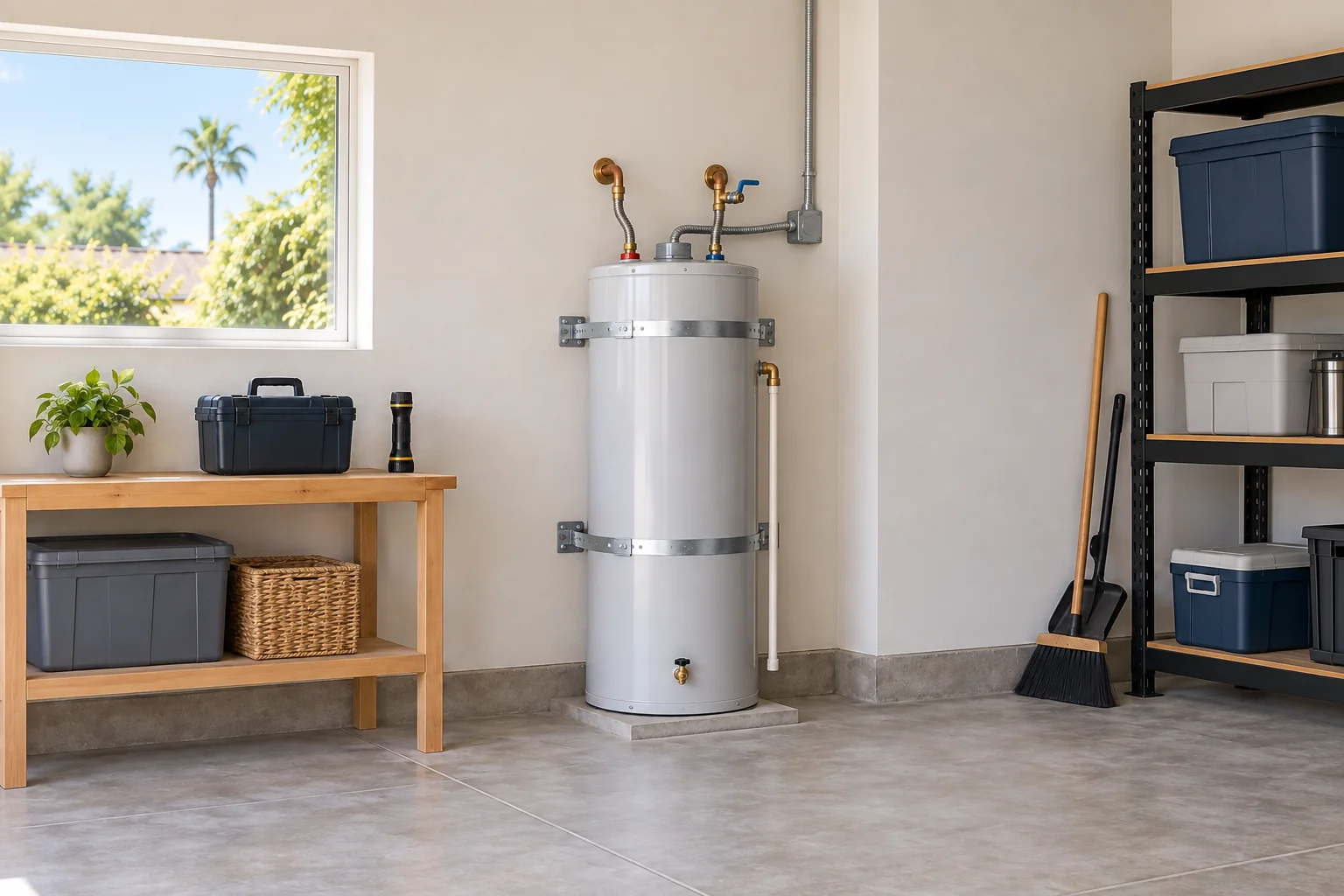
A leak may come from a supply connection, drain, appliance hose, or concealed pipe even when it has not rained. Check accessible areas beneath sinks and beside washing machines, dishwashers, and water heaters. Record unexplained changes in water use. EPA WaterSense describes moisture alarms and flow-monitoring devices that can help identify unusual water conditions; they supplement regular checks rather than establish the cause of a leak.
A slab foundation does not by itself establish that a leak is under the slab. If the source is uncertain, a qualified plumber or leak-detection professional can investigate before anyone opens floors or walls. Our slab leak service page explains that type of assessment.
Condensation and drainage deserve separate attention
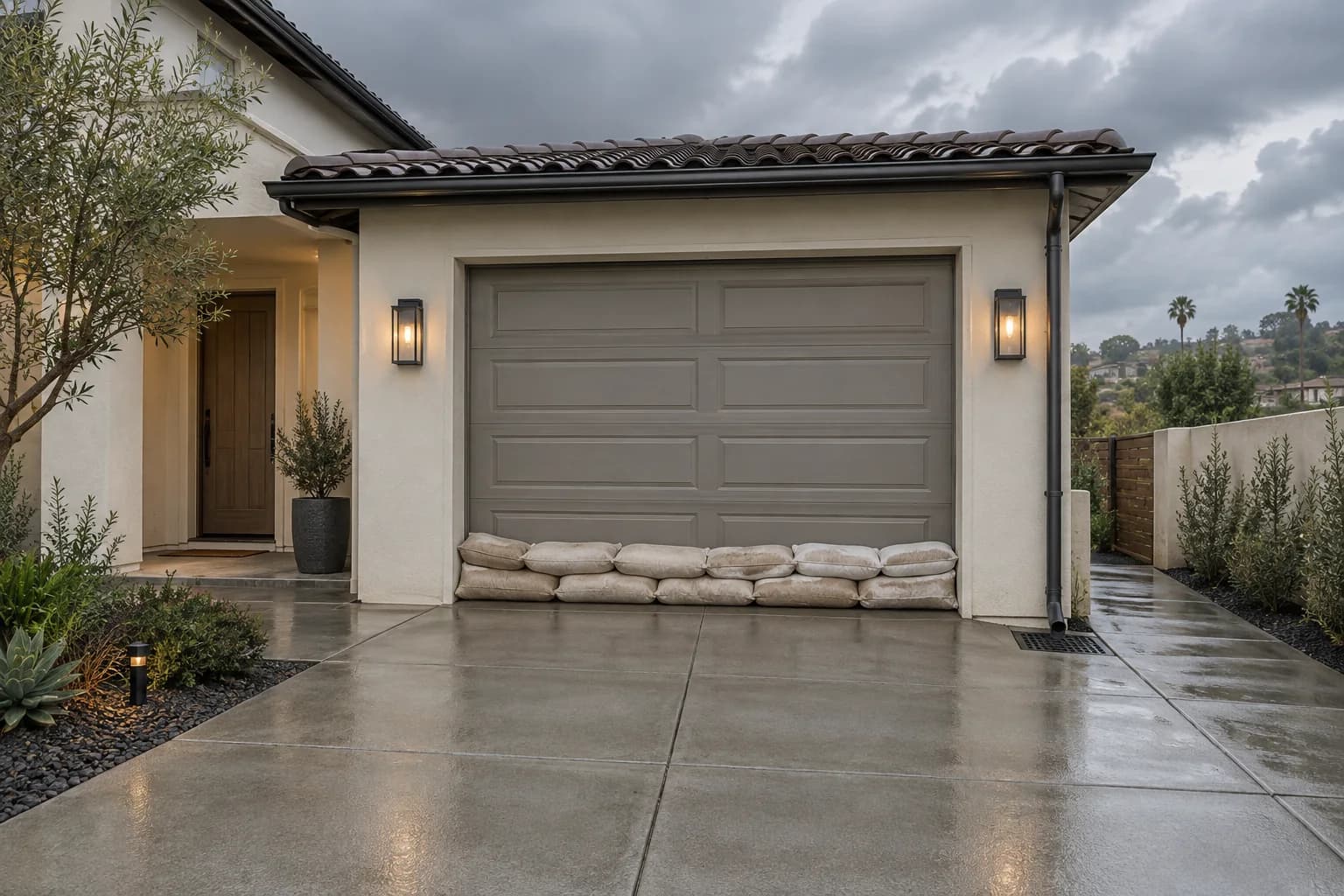
Persistent condensation, a wet air-conditioning drain pan, or water collecting beside a foundation can create moisture problems without a burst pipe. EPA's moisture-control guidance recommends maintaining condensate drains, controlling indoor humidity, and directing surface water away from the building. Do not change site drainage in a way that sends water onto a neighboring property.
What building codes can tell you
This guide cannot determine whether a home complies with the code that applies to it. For an addition, repair, or suspected construction defect, ask the local building department and a qualified professional about the applicable requirements and permit history. A material choice or the age of a home is not a code-compliance finding.
Make a useful inspection record
Photograph stains and affected finishes, note whether they change after rain or appliance use, and keep repair invoices. Our damage documentation organizer provides room-by-room prompts. For routine checks, use the maintenance calendar. If materials are wet, address the source and arrange appropriate drying before covering the damage with new finishes.
How we prepare and update our guides
Related serviceWater Damage RestorationEmergency water extraction & dryingAbout Save The Day Restoration
Save The Day Restoration is a locally owned, IICRC-certified restoration and reconstruction company serving all of Los Angeles and Orange County. The team coordinates water, fire, and mold restoration and reconstruction, including specialist work when needed. Licensed (CSLB #1049188), bonded, and insured, with 24/7 emergency response.
Call (562) 246-9908