In this guide
Color cannot reliably identify mold or determine health risk. Record the affected surfaces and moisture history, then choose an assessment and cleanup plan suited to the building conditions.
Keep it handy
A free printable for this guide
Save a copy for your fridge or binder. No email needed.
Moisture & leak observation log
Record stains, odors, humidity readings and changes to share with an inspector.
Read the checklist online
Record what you notice without opening walls or disturbing suspect material. Make a fresh copy for each room.
This log does not diagnose mold or prove a room is dry. If you suspect mold in HVAC equipment, do not run it; seek professional advice.
Look, record, follow up
- Note the room, exact location and when you first noticed the change.
- Record any recent leak, rain event or condensation. Add a photo reference if safe.
- If using a humidity meter, record its reading and location. Arrange help for persistent or recurring moisture.
Space to fill in
- Room / exact location
- First noticed / recent leak or rain
Observation history
Columns: Date / time; What changed / reading; Photo ref.; Action / follow-up. 5 blank rows.
Reference guidance
Make it your own
Stay a step ahead
Home maintenance calendar
Choose your home and its features for a seasonal schedule you can print or add to your calendar.
Build your calendarIdentifying a mold problem without guessing from its color
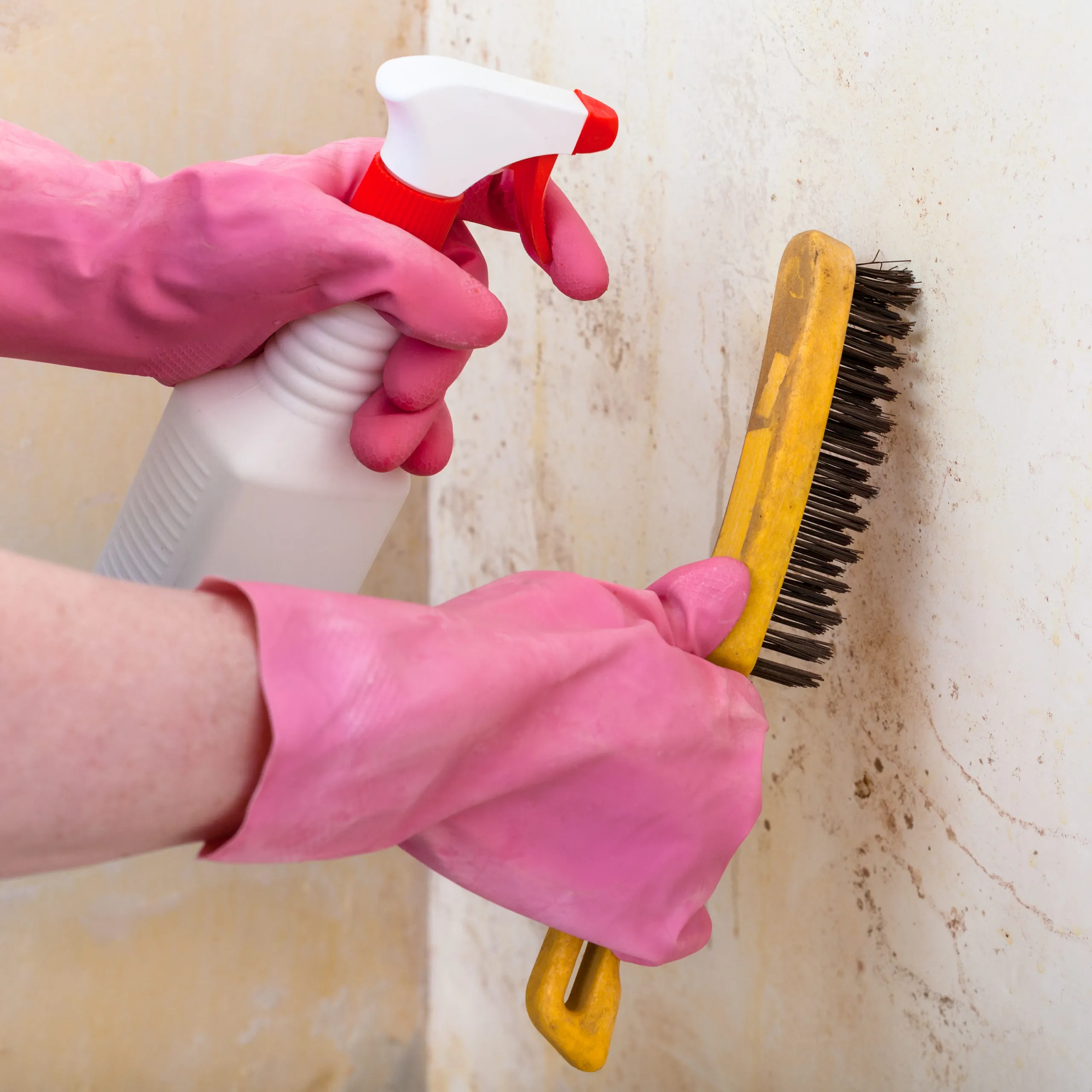
Mold can have different colors and textures. A photograph or a dark patch cannot reliably identify a species or tell you how it will affect a person's health. The useful first question is where moisture is coming from and what materials are affected. CDC's mold overview names Cladosporium, Penicillium and Aspergillus among common indoor molds; those names are not a home diagnosis.
What the names in an inspection report mean
Reports may describe a genus, a group of similar spores or a species, depending on the sample and analysis. Ask the inspector what the method can identify and what it cannot. Avoid assigning a household a "low" or "high" health risk solely from a mold name.
Stachybotrys chartarum is associated with persistently damp cellulose-based materials. Its dark appearance is not a reason to ignore growth of other colors. See CDC's Stachybotrys facts for the limits of linking an environmental finding to health symptoms.
Record the condition, not a guessed species
- Write down the room and surface: for example, a patch at the lower bathroom wall or growth around a window.
- Note its approximate extent without touching it or opening the wall.
- Record recent leaks, condensation, flooding or previous repairs.
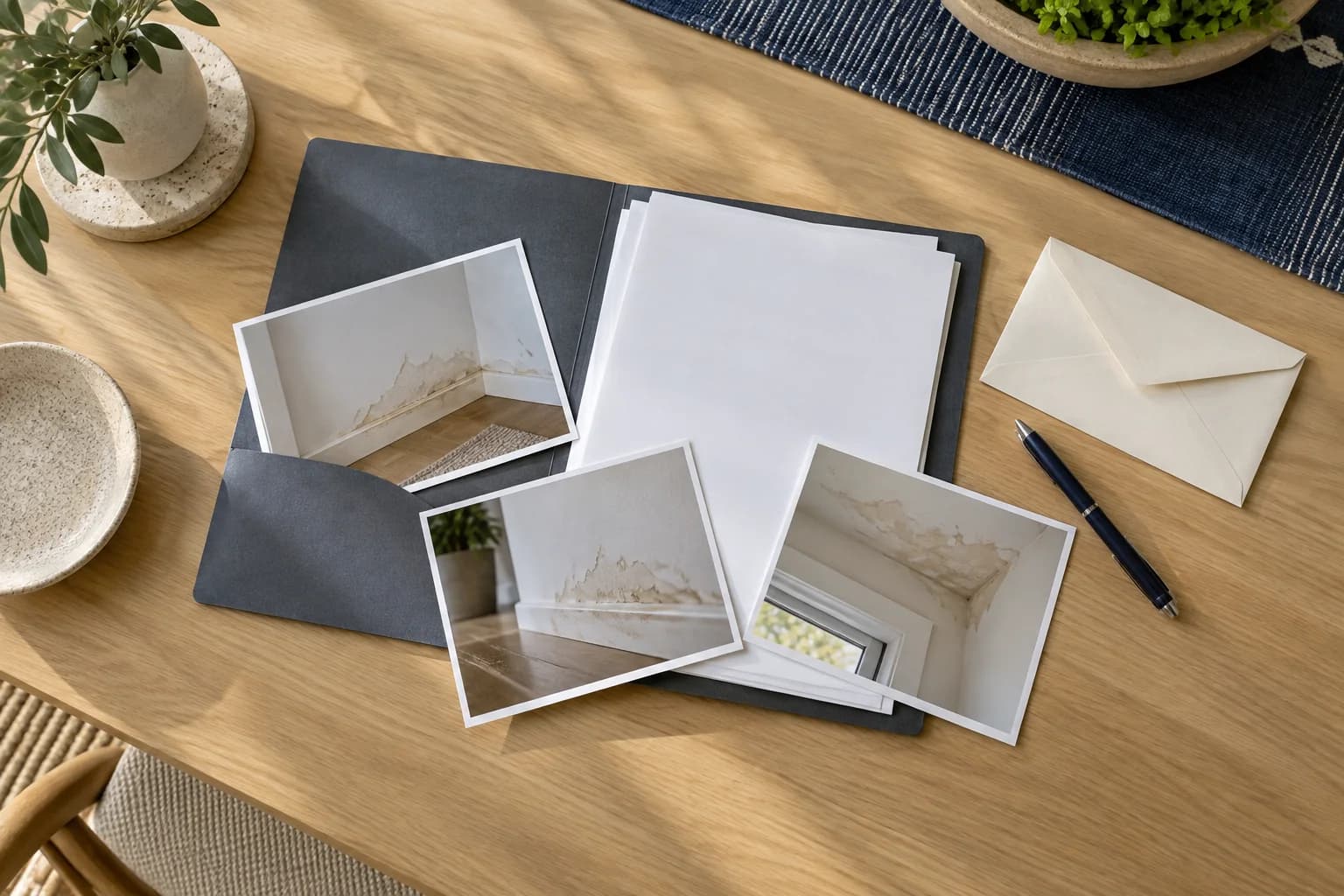
- Photograph an overview and a closer view only from a safe position.
- Note odors and when they are present, while recognizing that odor alone does not identify a species.
Use the damage documentation organizer to keep observations and photographs together. Keep the original files, and label unknowns as unknown rather than guessing the age or cause of growth.
Is laboratory identification necessary?
Ask what a sample would change about the work. EPA's sampling guidance explains that testing is usually unnecessary when visible growth is already present and that there are no federal airborne mold limits. If a specific project requires sampling, ask the inspector to explain the sampling plan, laboratory method and limitations in writing.
A report should be interpreted with the moisture inspection and building history. It should not be sold as a guarantee that an entire home is safe or unsafe based on one number. Our testing guide covers questions to ask before paying for samples.
Plan the repair around the building conditions
The remediation scope should explain affected materials, access, work-area precautions, disposal, moisture correction and completion checks. The extent of work and the water source matter more than a color nickname. Ask who is responsible for fixing the leak and who will repair opened walls or flooring afterward.
For a property assessment in LA or Orange County, call (562) 246-9908. Save The Day Restoration can discuss mold remediation and any specialist assessment needed for the project. Confirm availability and fees when scheduling.
How we prepare and update our guides
Related serviceMold RemediationTesting, removal & preventionAbout Save The Day Restoration
Save The Day Restoration is a locally owned, IICRC-certified restoration and reconstruction company serving all of Los Angeles and Orange County. The team coordinates water, fire, and mold restoration and reconstruction, including specialist work when needed. Licensed (CSLB #1049188), bonded, and insured, with 24/7 emergency response.
Call (562) 246-9908